Horizontal Directional Drill Maintenance: The Complete HDD Service Guide for Contractors
Learn how to maintain horizontal directional drills with daily checks, fluid care, rod handling, and tracking-system best practices.
Key Takeaways:
- HDD rigs fail expensively when small daily issues around drilling fluid, rod handling, or tracking gear get ignored
- Most avoidable downtime starts with fluid contamination, loose connections, worn tooling, or poor cleanup habits
- A disciplined daily and weekly routine protects your drill, locator gear, and job schedule at the same time
- Tracking maintenance history by machine, tooling, and recurring failure saves far more than reactive repairs
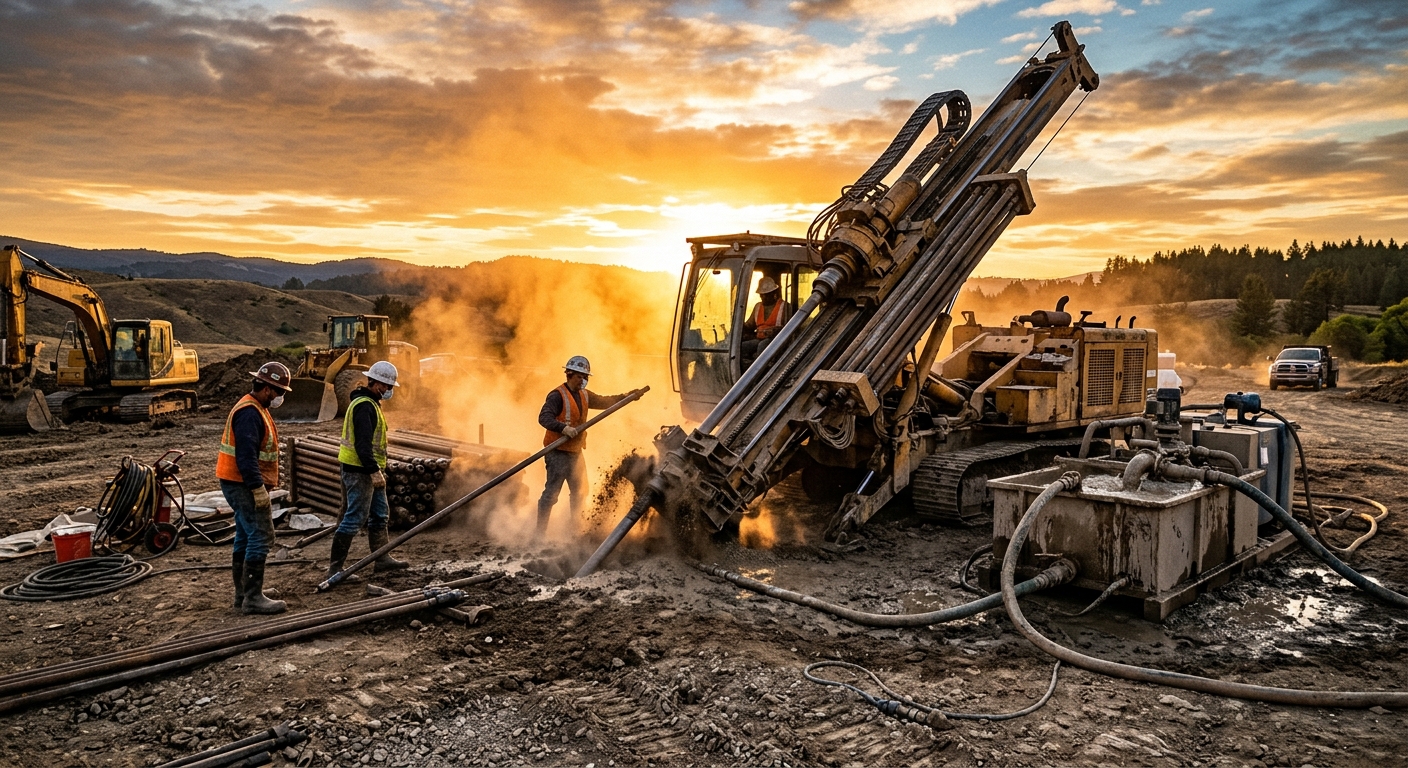
Horizontal directional drilling equipment gets abused in a very specific way. It does not just dig. It pushes, pulls, rotates, pumps slurry, manages heat, handles constant shock loads, and depends on guidance electronics that hate dirt, moisture, and sloppy handling. That combination makes HDD maintenance a little different from standard excavator or skid steer maintenance. The machine can look fine from ten feet away while a worn rod thread, contaminated drilling fluid, weak battery, or failing tracker cable is quietly setting up tomorrow’s breakdown.
For contractors running utility installs, fiber work, water lines, and short bores, downtime on a drill is brutal. Crews are already staged. Traffic control may already be in place. The locator is waiting. Spoil management is in motion. If the drill goes down, the whole jobsite gets expensive fast.
This guide breaks down the practical maintenance habits that keep horizontal directional drills reliable in the field. No fluff. Just the stuff that actually prevents lost production, damaged tooling, bad bores, and ugly repair invoices.
Why HDD Maintenance Is Different
HDD rigs combine several failure-prone systems into one machine:
- A hydraulic power unit under steady load
- A rotation and thrust system that sees repetitive stress
- Drill rods and tooling that wear a little every cycle
- A drilling fluid system that can become a mess quickly
- Sensitive electrical and locating gear working in mud, water, and vibration
That means HDD maintenance is not just engine service plus grease. It is also about cleanliness, inspection discipline, and wear tracking.
Why this matters: HDD equipment usually fails at the intersection of systems. A fluid problem becomes heat. Heat becomes hydraulic stress. Hydraulic stress becomes poor performance. Poor performance leads operators to push harder, which damages tooling and drive components. Catch the first small issue and you usually avoid the ugly chain reaction.
The Systems That Matter Most
If you want fewer surprises, pay disproportionate attention to these five areas.
1. Hydraulic health
Thrust and rotation live and die by hydraulic performance. Dirty oil, restricted flow, heat, suction leaks, and hose damage show up fast in HDD work because the machine spends so much time under sustained load.
2. Drill rods and threads
Rods are consumable assets whether people admit it or not. Thread damage, bending, poor lubrication, and impact wear spread from one rod to the next if crews get lazy.
3. Tooling condition
Bits, reamers, swivels, housings, and adapters wear gradually until they suddenly do not. Worn tooling makes the entire machine feel worse than it is, which leads to misdiagnosis and wasted parts money.
4. Drilling fluid system
Mixing tanks, pumps, hoses, nozzles, and mud cleanliness directly affect heat control, spoil removal, bore stability, and tooling life.
5. Electronics and locating support
The locator, beacon housing, batteries, display connections, and machine electrical system are not side issues. If your guidance system gets flaky, the job gets risky in a hurry.
Daily HDD Inspection Checklist
Daily inspections on a directional drill should be boring. If they are rushed, random, or done from memory, you are betting the day on luck.
Start each shift with a deliberate walkaround and operational check:
- Check engine oil, coolant, fuel-water separation, and visible leaks
- Inspect hydraulic hoses, fittings, and cylinder areas for wetness, abrasion, or rubbing
- Look over thrust carriage, rotation drive area, and exposed wear surfaces
- Inspect rod rack condition, rod retainers, and thread cleanliness
- Check bits, housings, reamers, and adapters before they go in the ground
- Verify drilling fluid tank level, hose connections, and pump condition
- Confirm battery voltage, cable tightness, and electrical connector integrity
- Test lights, gauges, shutdowns, displays, and any onboard diagnostics
- Verify tracker, batteries, chargers, and backup locating gear are present and working
Reactive crew habit vs. disciplined crew habit
Reactive habit
- Wait until the machine feels weak
- Keep using dirty rods because “we’re almost done”
- Ignore small fluid leaks if production continues
- Treat tracker glitches like a locator problem only
Disciplined habit
- Check machine condition before the first push
- Clean and inspect rods every cycle that warrants it
- Stop and fix small leaks before pressure and heat rise
- Treat locating reliability as part of machine uptime
Warning: HDD crews often normalize seepage, damaged thread starts, and intermittent electrical issues because the rig still runs. That is exactly how expensive failures get invited in. “Still works” is not the same thing as “healthy.”
Drilling Fluid and Mixing System Care
Directional drills are unforgiving about fluid management. Poor mud practices do not just affect the hole. They affect the machine.
Drilling fluid lubricates the bore, cools tooling, carries cuttings, stabilizes the hole, and reduces stress on the rig. If your mixing system is sloppy, concentrations are inconsistent, or screens and hoses stay packed with debris, the drill has to work harder than it should.
Here is where crews screw this up most often:
- Running contaminated water without acknowledging it
- Mixing by guesswork instead of repeatable ratios
- Letting tanks accumulate settled solids
- Ignoring pump cavitation, pulsation, or suction restrictions
- Reusing hoses and fittings long after they should be retired
Good fluid-system maintenance means:
- Clean tanks on a real schedule, not only after a disaster
- Flush lines when material buildup starts changing flow
- Inspect pump seals, couplers, and strainers regularly
- Keep nozzle openings clear and replace worn nozzles before flow patterns get stupid
- Record what fluid program was used when a job had strong or weak performance
Field Example: Weak Drill Performance That Wasn’t a Power Problem
A utility crew blamed a compact HDD rig for losing pullback performance in sticky soil. The machine felt hot and sluggish, so the first instinct was hydraulic trouble. The actual problem was simpler and cheaper: the mixing tank had heavy solids buildup, the suction side was restricted, and the crew had been inconsistent on additive ratios for days. After a full fluid-system cleanup and proper mixing discipline, machine temperatures dropped and performance came back without a major repair.
Rod, Tooling, and Thread Protection
If your crew abuses rods, nothing else in this article will save you.
Rod threads need to stay clean, protected, and correctly lubricated. Dirt packed into threads acts like grinding compound. Cross-threading a connection, forcing a damaged joint, or dropping rods carelessly multiplies wear across the whole string.
Best practices that actually matter:
- Inspect every rod for bent sections, peened thread starts, cracks, and unusual wear
- Clean threads before makeup, especially after muddy pullback work
- Use the correct thread compound consistently
- Rotate damaged rods out immediately instead of “getting one more job”
- Inspect housings, pull heads, and adapters for wear that transfers stress to the rods
Watch the tooling, not just the drill
Worn bits and reamers increase drag, reduce cutting efficiency, and push operators to compensate with more force. That extra force shows up as heat, slower progress, and added wear on rotation and thrust components.
Tip: Tag individual rods and log repeated issues by rod number. When the same pieces keep showing wear, you can spot whether the problem is bad handling, a training issue, a setup issue, or one operator who treats steel like it is immortal.
Tracker, Electronics, and Electrical Reliability
Directional drilling relies on electronics more than a lot of equipment owners admit. When the locating system or supporting electrical hardware gets unreliable, production slows down and risk goes up.
Protect these items aggressively:
- Tracker display units and chargers
- Beacon housings and seals
- Machine battery and charging system
- Wiring harnesses near vibration points
- Connector ends exposed to slurry, washdown, or road spray
Do not toss locating gear into the truck bed and pretend that counts as storage. Clean it. Dry it. Charge it. Inspect cables and cases. Replace worn seals before moisture gets inside.
The drill itself also needs solid electrical basics. Low voltage can create weird symptoms: hard starts, flaky displays, intermittent warning lights, or inconsistent accessory behavior. Those issues waste diagnostic time because crews start blaming sensors, software, or the locator before checking the boring old battery and connections.
Weekly and Monthly Service Rhythm
Daily checks keep you alive. Weekly and monthly service keep the machine from aging like milk.
Weekly
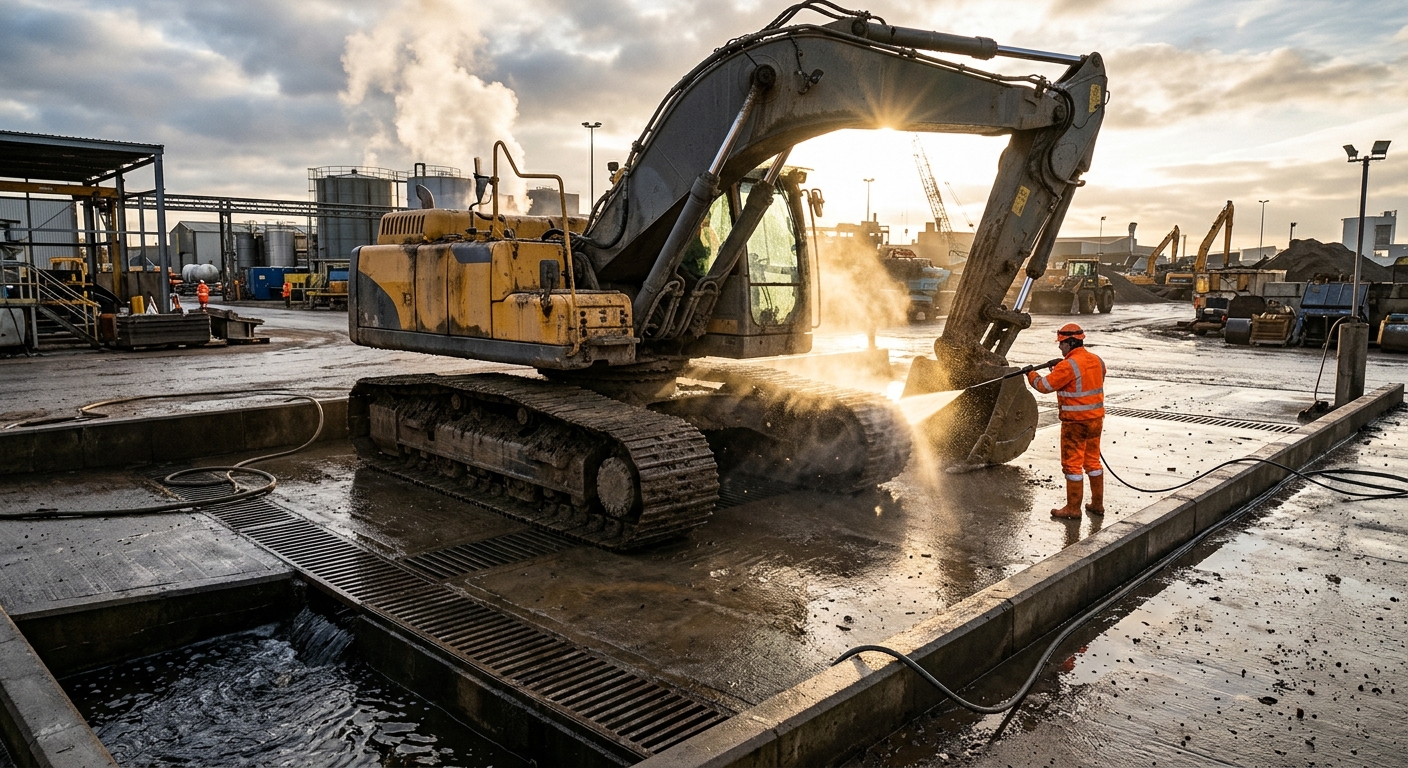
- Wash down the rig enough to expose leaks and damage
- Inspect all high-motion hose routing points
- Check track or tire condition depending on machine type
- Review drill rod inventory and remove borderline pieces
- Clean fluid tanks, filters, screens, and mixing equipment more deeply
- Inspect anchor points, vise components, and carriage wear areas
Monthly or hour-based
- Change engine and hydraulic filters per schedule and severity
- Pull fluid samples or at minimum inspect condition carefully
- Check torque on critical fasteners and mounting hardware
- Review battery health and charging output
- Inspect thrust and rotation components for developing play
- Review maintenance logs for recurring leaks, recurring heat events, or repeated rod damage
Common Failure Patterns to Catch Early
Directional drill fleets tend to repeat the same avoidable mistakes:
Heat creeping up over time
Often tied to fluid contamination, restricted cooling, overloaded tooling, or hydraulic inefficiency.
Repeated thread damage
Usually a handling or cleanup problem, not bad luck.
Weak or erratic pullback performance
Could be hydraulic, but start by checking tooling wear, fluid flow, and drag conditions before assuming an internal machine failure.
Intermittent tracker problems
May be low batteries, damaged connectors, wet housings, or poor storage habits rather than a failed locator unit.
Sloppy cleanup culture
The dirtiest crews almost always have the most preventable downtime. Not because mud is evil, but because dirt hides cracks, leaks, heat stains, and damaged fittings.
Field Example: The “Bad Machine” That Had a Bad Process
One HDD crew kept complaining that their drill was unreliable because they were replacing small parts constantly. The deeper review showed the real problem: rods were being stacked dirty, thread compound use was inconsistent, locating gear was stored wet, and end-of-day cleanup barely happened. The machine improved once the process improved. Same drill. Same jobs. Different discipline.
Repair Decisions: Yard Fix or Specialist Call
Not every HDD issue needs a dealer truck. Some absolutely do.
Handle in-house
- Basic hose replacement when routing and pressure specs are clear
- Routine fluid and filter service
- Thread cleaning, rod inspection, and tooling replacement
- Battery, cable, connector, and charger cleanup
- Mixing system cleaning and minor plumbing issues
Escalate fast
- Cracked structural components
- Persistent hydraulic overheating with no obvious cause
- Rotation or thrust performance loss after basic checks
- Repeated electrical faults you cannot reproduce cleanly
- Guidance-system failures that could affect bore accuracy or strike risk
Do not cheap out on uncertainty. If a structural, hydraulic, or guidance problem could damage underground utilities, injure a crew member, or destroy a rod string, stop guessing and bring in qualified support.
Build a Better HDD Maintenance System
The best HDD maintenance programs are not built on memory. They are built on repeatable records.
Track:
- Machine hours
- Fluid changes and filter changes
- Rod and tooling replacements
- Heat events and recurring leaks
- Tracker issues and battery replacements
- Which operator reported what, and when
Once you log those details consistently, the fleet starts telling the truth. You can see whether one drill has chronic heat issues, whether one crew destroys rods faster than everyone else, or whether a certain tooling setup always creates more strain and downtime.
That is the point. Better maintenance is not only about preserving steel. It is about improving scheduling, labor efficiency, repair timing, and job profitability.
Keep Your HDD Fleet Running With Fewer Surprises
FieldFix helps contractors track service history, recurring failures, machine hours, repair costs, and inspection routines across directional drills, support equipment, and tooling. If your HDD maintenance process still lives on whiteboards, group texts, or one operator’s memory, that is a fragile system. FieldFix gives you one place to document what is happening before the next avoidable breakdown wrecks the schedule.