EPA Tier 5 Emissions Standards 2027: What Fleet Managers Need to Know Now
Complete guide to upcoming EPA Tier 5 emissions regulations for heavy equipment. Learn compliance requirements, costs, and how to prepare your fleet.
Key Takeaways
- EPA Tier 5 standards are expected to take effect in 2027-2028 for off-road diesel engines
- New limits will reduce NOx emissions by up to 90% from current Tier 4 Final standards
- Retrofit costs could range from $15,000-$50,000 per machine depending on engine size
- Fleet managers should start auditing equipment ages and planning replacement cycles now
- Proper maintenance documentation will be critical for compliance verification
The heavy equipment industry is facing its most significant regulatory shift since the introduction of Tier 4 Final standards in 2015. With EPA Tier 5 emissions regulations on the horizon for 2027-2028, fleet managers across construction, agriculture, forestry, and mining sectors need to start preparing now. This comprehensive guide breaks down everything you need to know about the upcoming changes and how they’ll affect your operations.
What Are EPA Tier 5 Standards?
EPA Tier 5 represents the next evolution in the Environmental Protection Agency’s decades-long effort to reduce harmful emissions from non-road diesel engines. Building on the foundation laid by Tier 4 Final (implemented 2014-2015), Tier 5 will introduce even stricter limits on nitrogen oxides (NOx), particulate matter (PM), and for the first time, will likely include carbon dioxide (CO2) standards for off-road equipment.
Historical Context: The EPA has progressively tightened off-road diesel emissions since Tier 1 standards debuted in 1996. Each tier has reduced allowable emissions:
- Tier 1 (1996): First NOx and PM limits
- Tier 2 (2001-2006): 40% NOx reduction
- Tier 3 (2006-2008): Further NOx cuts, introduced PM limits
- Tier 4 Interim (2008-2012): DPF requirements, 90% PM reduction
- Tier 4 Final (2014-2015): SCR systems, 90% NOx reduction from Tier 3
The jump to Tier 5 is being driven by California’s aggressive climate goals and the EPA’s alignment with stricter European Stage VI standards that went into effect in 2020 for the EU market. Unlike previous tier transitions that focused primarily on criteria pollutants, Tier 5 is expected to address greenhouse gas emissions for the first time in the off-road sector.
Timeline and Implementation
While the EPA hasn’t officially published final Tier 5 rules as of early 2026, the regulatory trajectory is clear based on several key developments:
Expected Phase-In Schedule
Based on historical patterns and industry consultations, here’s the likely rollout:
Phase 1 (2027): Engines 175 hp and above
- Large excavators, dozers, wheel loaders
- Mining and quarry equipment
- Large agricultural tractors
Phase 2 (2028): Engines 75-174 hp
- Mid-size excavators and loaders
- Skid steers over 75 hp
- Forestry mulchers and chippers
Phase 3 (2029-2030): Engines under 75 hp
- Compact equipment
- Small skid steers
- Mini excavators
State Variations: California, Oregon, Washington, and several Northeast states may implement stricter timelines than federal standards. If you operate in these regions, plan for earlier compliance dates.
Key Emissions Limits
While final numbers aren’t published, industry analysts expect Tier 5 to target the following reductions from Tier 4 Final baselines:
| Pollutant | Tier 4 Final Limit | Expected Tier 5 Limit | Reduction |
|---|---|---|---|
| NOx | 0.40 g/kWh | 0.04-0.10 g/kWh | 75-90% |
| PM | 0.02 g/kWh | 0.01 g/kWh | 50% |
| CO2 | No limit | TBD (likely 5-10% reduction) | New |
| Ammonia slip | 25 ppm | 10 ppm | 60% |
New Testing Protocols
Tier 5 will also introduce more rigorous testing methodologies:
- Real Driving Emissions (RDE) testing, not just lab conditions
- In-use compliance monitoring for the first 5 years of engine life
- Portable Emissions Measurement Systems (PEMS) verification
- Extended durability requirements (10,000+ hours)
Impact on Heavy Equipment Fleets
The transition to Tier 5 will affect fleet operations in several critical ways:
Equipment Availability
During the 2014-2015 Tier 4 Final transition, manufacturers struggled to meet demand for compliant equipment. Expect similar challenges:
- 12-18 month lead times for new Tier 5 equipment at launch
- Production delays as manufacturers retool assembly lines
- Premium pricing on early-production Tier 5 machines
Case Study: Tier 4 Final Transition Lessons
When Tier 4 Final rolled out, ABC Construction (a 50-machine fleet in Ohio) experienced:
- 6-month delays on three excavator orders
- 15% price increases on new equipment
- $45,000 in unplanned DPF replacement costs in Year 1
Lesson learned: They now maintain a 3-year rolling replacement plan and pre-order equipment 18 months in advance.
Operating Costs
Tier 5 compliance technology will increase operating expenses:
Technology Requirements
Tier 5 engines will require advanced aftertreatment systems:
- Enhanced SCR catalysts with higher conversion efficiency
- Heated DEF systems for cold-climate operation
- Close-coupled DOC/DPF units for better thermal management
- OBD-II telematics for real-time emissions monitoring
- Sealed fuel systems to prevent misfueling
Compliance Strategies
Fleet managers have several options for Tier 5 compliance:
Option 1: Fleet Modernization (Replace Equipment)
Pros:
- Full warranty coverage on new equipment
- Latest technology and fuel efficiency
- No retrofit headaches
- Best long-term cost efficiency
Cons:
- Highest upfront capital cost
- May require new financing arrangements
- Operator retraining on new systems
- Depreciation hits on traded equipment
Option 2: Retrofit Existing Equipment
Pros:
- Lower initial cost than replacement
- Keeps familiar equipment in service
- Preserves operator preferences
- Maintains parts inventory continuity
Cons:
- Not available for all engine models
- May void manufacturer warranty
- Potential reliability concerns
- Limited to engines under 8,000 hours typically
Option 3: Repower with New Engines
Pros:
- Middle-ground cost option
- Uses existing chassis and attachments
- Can upgrade to Tier 5 compliant engine
- Good for low-hour machines with solid undercarriages
Cons:
- 2-4 week downtime per machine
- Integration challenges with older hydraulics
- May require electrical system upgrades
- Not all OEM-approved
Pro Tip: For machines with 4,000-6,000 hours and solid mechanical condition, repowering can save 40-60% compared to new equipment purchase while achieving full Tier 5 compliance.
Cost Analysis and Planning
Understanding the financial impact is critical for budget planning:
Equipment Upgrade Costs by Category
| Equipment Type | New Tier 5 Price (Est.) | Retrofit Cost | Repower Cost |
|---|---|---|---|
| Large Excavator (45+ ton) | $450,000-650,000 | $35,000-50,000 | $85,000-120,000 |
| Mid Excavator (20-30 ton) | $200,000-350,000 | $25,000-40,000 | $55,000-75,000 |
| Wheel Loader (3+ yd) | $250,000-400,000 | $30,000-45,000 | $65,000-85,000 |
| Dozer (D6 class) | $350,000-500,000 | $30,000-45,000 | $70,000-95,000 |
| Skid Steer (75+ hp) | $75,000-95,000 | $15,000-25,000 | $30,000-45,000 |
Total Cost of Compliance Example
For a typical 15-machine mixed fleet:
Financing Considerations
- Section 179 deductions: Currently allows up to $1.16M in equipment write-offs
- Bonus depreciation: 60% in 2026, decreasing 20% annually through 2027
- USDA programs: Rural equipment grants for agricultural operations
- State incentives: California, New York, and others offer emissions reduction rebates
Documentation Requirements
Tier 5 will bring enhanced documentation and reporting requirements:
Required Records
-
Engine certification documentation
- EPA/CARB Family Information
- Emissions control system specifications
- Original test results
-
Maintenance logs
- All aftertreatment service (DPF, SCR, DEF system)
- Emissions-related repairs with parts receipts
- Calibration and software updates
-
Operating records
- Hours of operation
- Fuel consumption
- DEF usage rates
-
Compliance verification
- Annual emissions testing (for some states)
- OBD data downloads
- Warranty claim history
Audit Risk: The EPA has increased enforcement funding. Fleets with incomplete documentation may face:
- Fines up to $5,000 per day per violation
- Equipment impoundment in extreme cases
- Contract disqualification on federal and state projects
Digital Documentation Systems
This is where fleet management software becomes essential. Platforms like FieldFix help you:
- Track service intervals by hours, with reminders before service is due
- Store digital copies of service records and invoices
- Export your service history as a PDF or CSV when someone asks for it
- Run an AI diagnosis when an emissions fault code shows up
- Keep each machine’s documents in one place
Preparing Your Fleet Today
Don’t wait for final regulations to start preparing. Here’s your action plan:
Immediate Actions (Now - Q2 2026)
Step 1: Audit Your Fleet
Create a complete inventory including:
- Year and engine tier for each machine
- Current hours and condition rating
- Remaining useful life estimate
- Compliance pathway (replace/retrofit/repower)
Step 2: Financial Planning
- Meet with your accountant about accelerated depreciation
- Explore financing options for equipment purchases
- Set aside reserves for compliance costs
- Investigate state and federal incentive programs
Step 3: Vendor Relationships
- Talk to your equipment dealers about Tier 5 timelines
- Get on early-order lists for critical equipment
- Identify certified retrofit installers in your region
Medium-Term Actions (Q3 2026 - 2027)
- Place orders for Tier 5 equipment 12-18 months ahead
- Begin retrofitting older equipment you plan to keep
- Train technicians on new emissions systems
- Implement digital fleet management if you haven’t already
Long-Term Strategy (2027+)
- Establish continuous replacement cycles (20-25% of fleet annually)
- Monitor regulatory changes for further tier updates
- Consider alternative fuels (electric, hydrogen) for next replacement cycle
Frequently Asked Questions
Q: Will my Tier 4 Final equipment become illegal to operate?
A: No. Existing equipment is “grandfathered” and can continue operating. However, some states may restrict Tier 4 equipment from certain projects or zones over time.
Q: Can I buy non-compliant equipment internationally and import it?
A: Technically no. All diesel equipment sold in the US must meet current EPA standards. Imported equipment requires EPA certification regardless of origin.
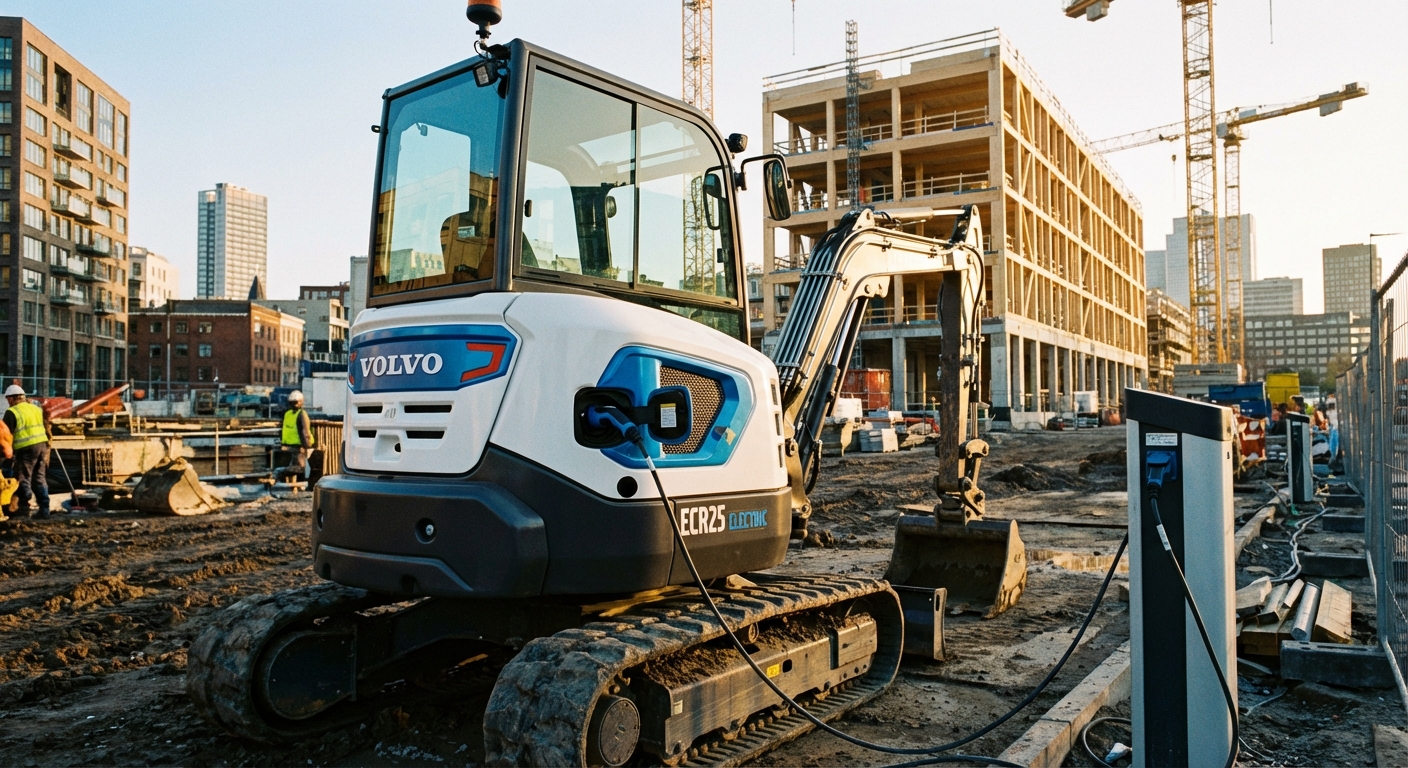
Q: What about electric equipment—should I wait for that instead?
A: Electric heavy equipment is advancing rapidly but still has limitations for high-hour, high-power applications. For most operations, Tier 5 diesel will remain the practical choice through 2030. Plan for Tier 5 compliance now and evaluate electric for your next replacement cycle.
Q: How do I know if my equipment can be retrofitted?
A: Contact your equipment manufacturer or an EPA-certified retrofit installer. Generally, equipment under 8,000 hours with good engine compression is a candidate.
Q: Will Tier 5 equipment be more expensive to maintain?
A: Initially, yes. More complex aftertreatment systems mean higher parts costs and specialized service. However, as technology matures, costs typically decrease.
The Bottom Line
EPA Tier 5 emissions standards represent a significant regulatory shift that will affect every fleet operating diesel-powered heavy equipment. While the transition will require substantial investment, proactive planning can minimize disruption and spread costs over time.
The fleets that start preparing today will have a competitive advantage. They’ll secure equipment before shortages, lock in financing at favorable rates, and avoid the scramble that always accompanies regulatory deadlines.
Track Your Fleet’s Compliance Readiness
FieldFix helps you keep detailed maintenance records, track equipment hours, and export your service history when you need to show it. All of that matters for Tier 5 preparation.
Free for your first machine. No credit card.