Fleet Tracking ROI: Complete 2025 Guide for Equipment Owners
Calculate the real return on investment from fleet tracking. See actual cost savings, compare solutions, and learn what features matter most for heavy equipment operations.
Quick Answer: Is Fleet Tracking Worth It?
Yes, for most operations with 3+ machines. Typical ROI ranges from 200-400% within the first year.
| Investment | Annual Savings |
|---|---|
| $15-50/machine/month | $1,500-5,000/machine/year |
| Break-even: 2-4 months | ROI: 200-400% |
Key savings come from: reduced fuel theft (15-20%), lower idle time (10-30%), better maintenance timing, and theft recovery.
If you’re running heavy equipment, you’ve heard the pitch: “Track your fleet, save money.” But does it actually work? And more importantly—is it worth it for your operation?
We analyzed data from hundreds of equipment owners to give you the real numbers.
The Real Costs of Fleet Tracking
Let’s start with what you’ll actually pay. No hidden fees, no “contact us for pricing” games.
Hardware Costs
Basic GPS trackers: $0-100 upfront, $15-25/month
- Location updates every 1-5 minutes
- Basic geofencing
- Simple mobile app
Mid-tier solutions: $100-200 upfront, $25-35/month
- Real-time tracking
- Engine hours monitoring
- Fuel level sensors
- Maintenance alerts
Premium/OEM systems: $200-300+ upfront, $35-50/month
- Full telematics integration
- Diagnostic code reading
- Predictive maintenance
- API integrations
Many providers offer hardware subsidies or free devices with annual contracts. Always negotiate—especially for fleets of 5+ machines.
Where the Savings Actually Come From
The marketing says “save money.” Here’s the breakdown of how.
1. Fuel Theft Prevention
Average savings: $200-800 per machine per year
Fuel theft is rampant in construction. The National Equipment Register estimates $1 billion+ in fuel theft annually from job sites. With trackers:
- Geofence alerts catch unauthorized movement
- Fuel level monitoring spots suspicious drops
- After-hours activity alerts flag problems immediately
2. Reduced Idle Time
Excessive idling wastes fuel and accelerates wear. Fleet tracking typically reduces idle time by 10-30%.
Tracked Fleet
- Operators know they’re monitored
- Idle time reports identify problems
- Warm-up times get reasonable
- Engine hours = actual work hours
Untracked Fleet
- “I’ll just let it run” mentality
- No visibility into idle waste
- Inflated engine hours
- Higher fuel bills
3. Theft Recovery & Prevention
One recovered machine pays for years of tracking subscriptions.
4. Optimized Maintenance
- Accurate Hour Tracking No more guessing service intervals. Know exactly when each machine needs attention.
- Automated Alerts Get notified at 250 hours, not 400 hours when damage is already done.
- Reduced Catastrophic Failures Catching problems early saves thousands in major repairs.
- Better Resale Value Documented maintenance history = higher resale prices.
ROI Calculator: Your Numbers
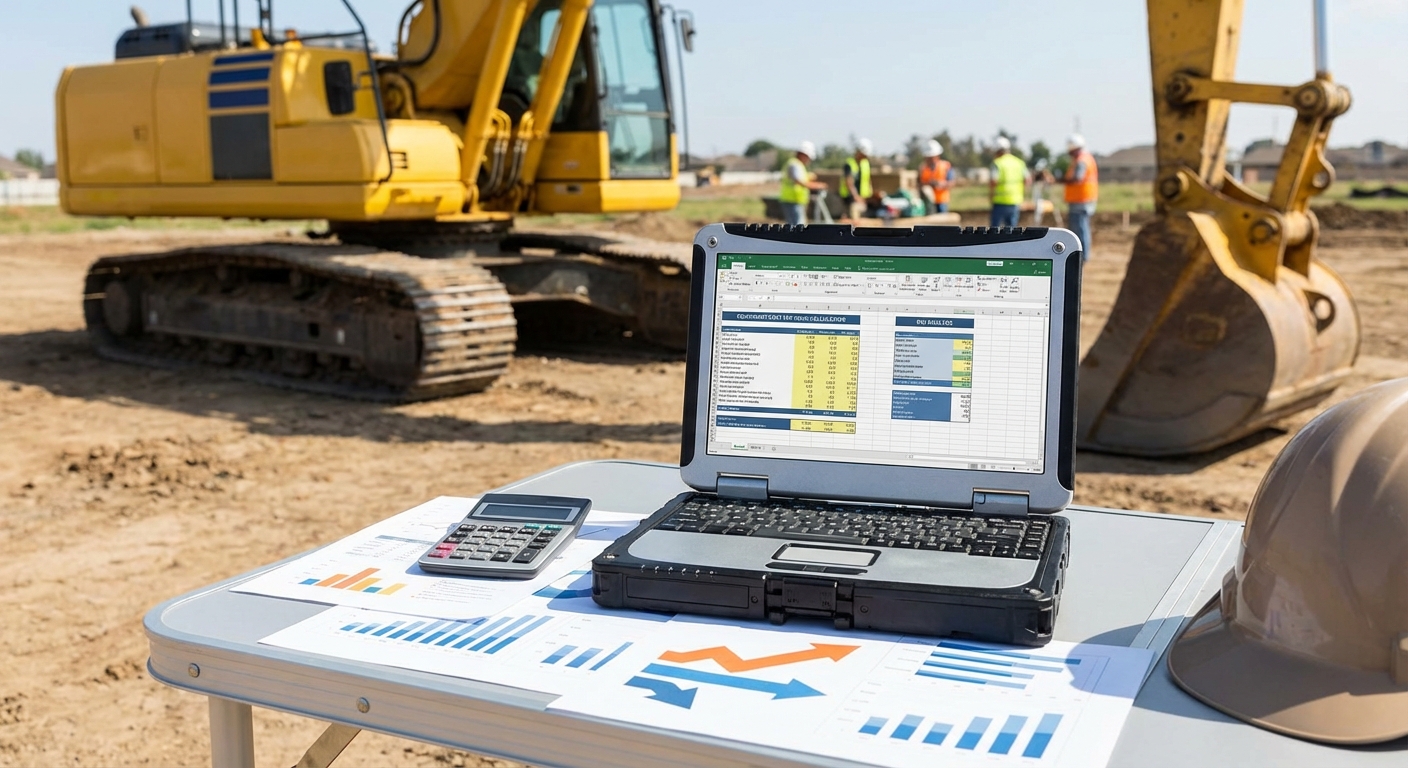
Here’s a simple framework to calculate your potential savings:
| Category | Small Fleet (3-5 machines) | Medium Fleet (6-15) | Large Fleet (15+) |
|---|---|---|---|
| Fuel savings | $600-1,500/yr | $2,000-5,000/yr | $5,000-15,000/yr |
| Reduced idle wear | $300-800/yr | $1,000-3,000/yr | $3,000-10,000/yr |
| Maintenance optimization | $500-1,200/yr | $1,500-4,000/yr | $4,000-12,000/yr |
| Theft prevention value | $200-500/yr | $500-1,500/yr | $1,500-5,000/yr |
| Total Annual Savings | $1,600-4,000 | $5,000-13,500 | $13,500-42,000 |
| Tracking Cost | $540-1,800/yr | $1,800-5,400/yr | $5,400-18,000/yr |
| Net Benefit | $1,000-2,200 | $3,200-8,100 | $8,100-24,000 |
These are industry averages. Your actual savings depend on:
- Current fuel/idle waste (more waste = more savings)
- Machine values (higher value = more theft prevention value)
- Maintenance discipline (poor maintenance = more optimization potential)
Comparing Solutions: What Actually Matters
Not all fleet tracking is created equal. Here’s what to look for:
Must-Have Features
- Real-time location (not just breadcrumb trails)
- Engine hours tracking (for maintenance scheduling)
- Geofencing with alerts (theft/unauthorized use)
- Mobile app (you’re not always at a computer)
- No long-term contract (or reasonable exit terms)
Nice-to-Have Features
- Fuel level monitoring
- Diagnostic code reading
- Utilization reports
- Customer/job site assignment
- Integration with accounting software
Red Flags
- Requiring 3+ year contracts
- Hidden “activation fees”
- Per-feature pricing that adds up
- No mobile app (desktop-only)
- Delayed location updates (30+ minutes)
Real Operations, Real Numbers
Thompson Excavating — Cincinnati, OH
5 excavators, 3 skid steers, 2 dozers
The Problem: Fuel costs were climbing despite stable work volume. Suspected theft but couldn’t prove it.
The Solution: Installed GPS trackers with fuel level monitoring on all 10 machines.
The Results: Identified a fuel theft ring operating after hours. Two employees terminated. Fuel costs dropped 22% within 60 days.
Mountain State Forestry — West Virginia
Forestry mulching operation, 4 machines
The Problem: Machines spread across remote job sites. Driving between sites to check on operators wasting hours daily.
The Solution: Real-time tracking with utilization reporting.
The Results: Owner stopped making daily site visits. Identified one operator consistently running 2 fewer hours than reported. Utilization increased 18%.
Frequently Asked Questions
Will my operators hate being tracked?
Some initial pushback is normal. Frame it as protecting the equipment (and their jobs), not spying. Most operators get used to it within a week. The ones who complain loudest are often the ones with the most to hide.
What about cellular coverage in remote areas?
Modern trackers store data locally when out of coverage and upload when signal returns. You won't get real-time updates in dead zones, but you won't lose data either. Some premium systems offer satellite backup for truly remote operations.
Can I install trackers myself?
Yes, most basic trackers are plug-and-play into OBD ports or connect to battery power. Hidden installations for theft protection might need professional help. Budget 15-30 minutes per machine for DIY installs.
How do trackers affect equipment warranties?
Properly installed trackers don't void warranties. They connect to power and read data—they don't modify anything. That said, avoid splicing into factory harnesses. Use proper connectors and follow manufacturer guidelines.
What's the difference between GPS tracking and telematics?
GPS tracking = location only. Where is my machine?
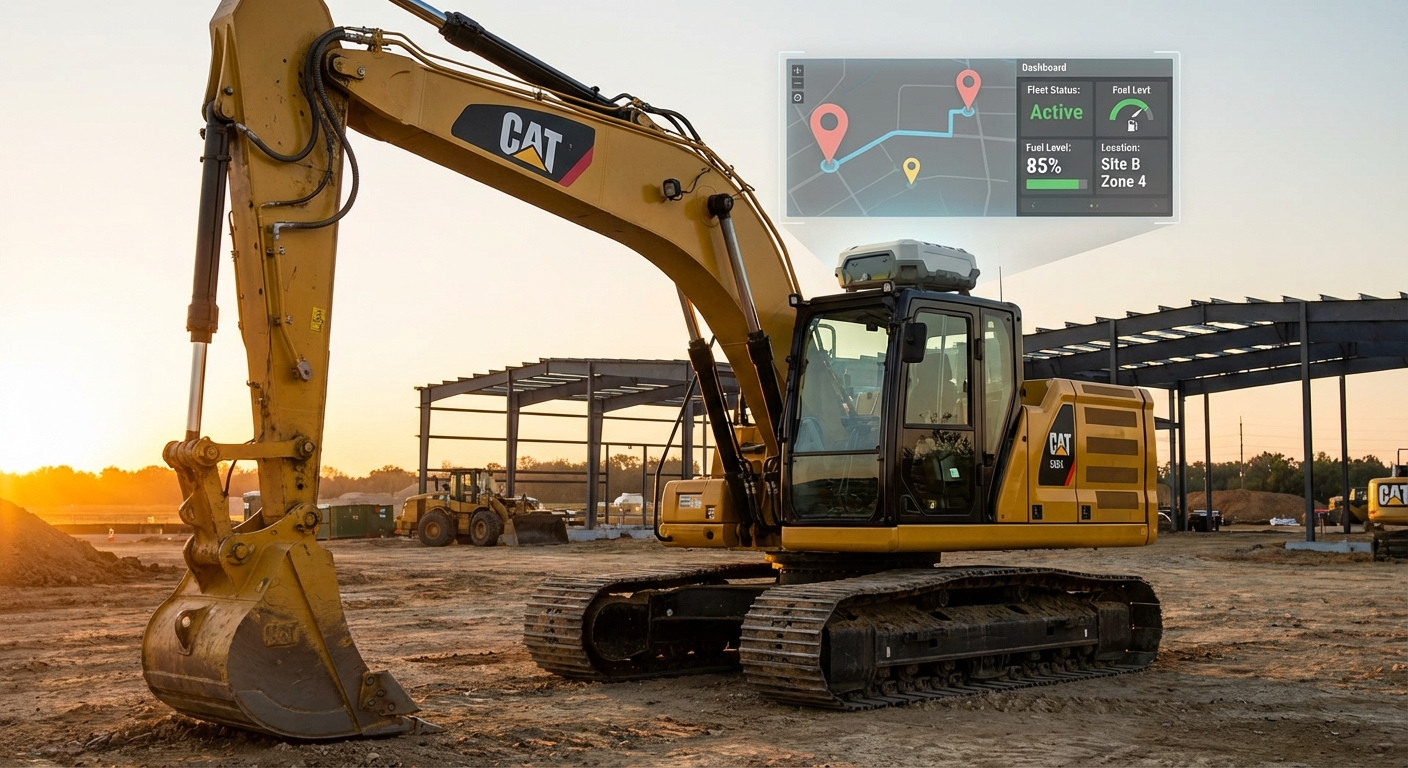
Telematics = location + machine data. Where is it, how many hours, what's the fuel level, are there any fault codes?
For fleet management, telematics provides much more value. For pure theft recovery, basic GPS works fine.
The Bottom Line
Fleet tracking pays for itself—usually within months, not years. The math works for almost any operation with 3+ machines.
The question isn’t whether to track your fleet. It’s which solution fits your operation best.
Track Your Fleet for Free
FieldFix includes GPS tracking, engine hours, maintenance alerts, and more—free for your first 3 machines.
Start Free Trial →No credit card required. Set up in under 5 minutes.
Have questions about fleet tracking ROI for your specific situation? Contact us—we’re happy to help you run the numbers.