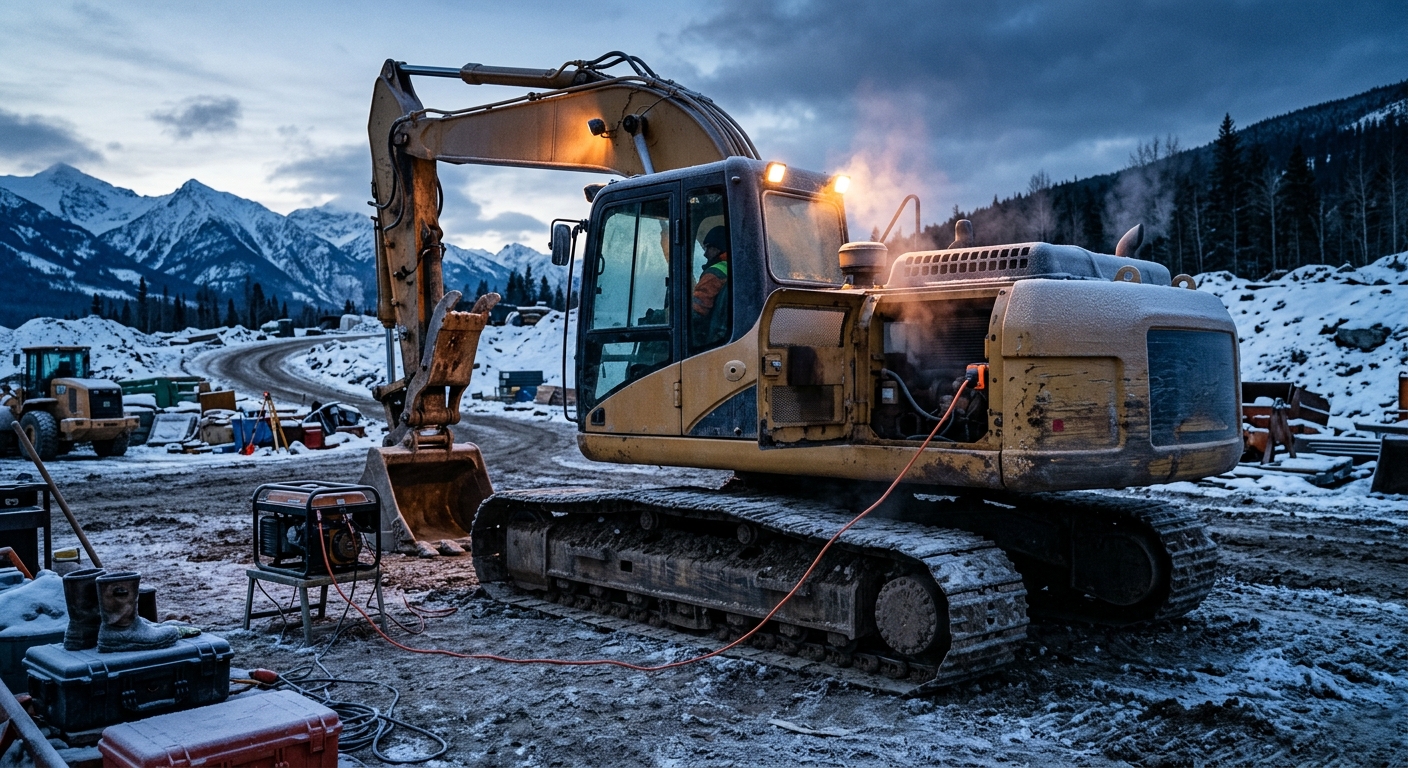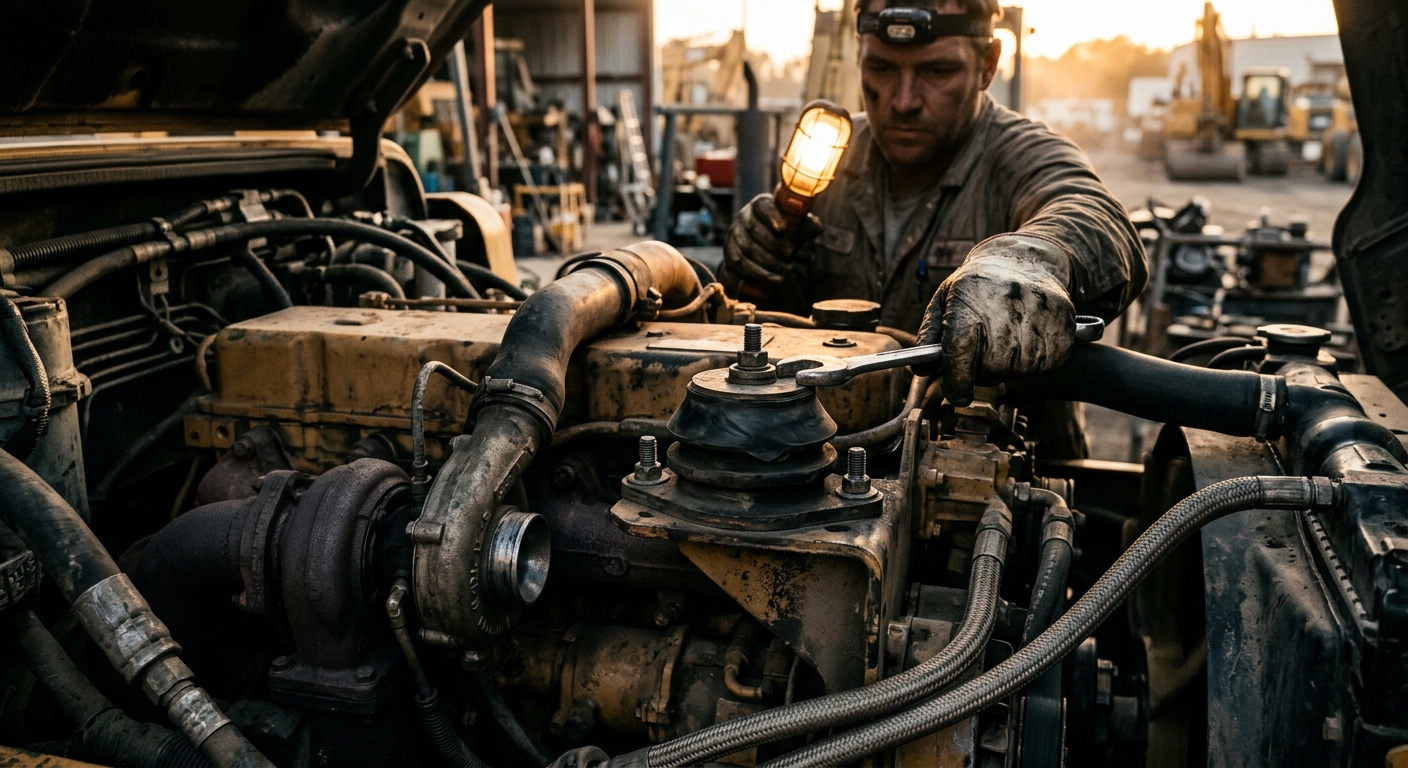
Heavy Equipment Refueling Safety & Bulk Diesel Storage Guide
Learn safer heavy equipment refueling, diesel storage, contamination prevention, and spill control practices that protect uptime, crews, and margins.
Key Takeaways
- Most refueling problems are preventable when crews standardize storage, transfer, filtration, and cleanup.
- Dirty fuel is a reliability problem, not just a fuel problem because contamination wrecks injectors, pumps, filters, and uptime.
- A fast refueling setup is only good if it is controlled with bonding, labeled tanks, clean nozzles, and documented inspections.
- Spill response has to be staged before the spill happens or the jobsite will improvise badly under pressure.
- Field logging matters because recurring fuel issues usually show up as patterns long before a failure becomes expensive.
Fuel keeps a fleet moving, but refueling is one of those jobs crews treat as routine right up until it causes a mess. A little water in the tank, a dirty nozzle, a missing spill kit, a cracked transfer hose, or a sloppy end-of-day fill-up can turn into injector damage, environmental headaches, lost production, and a nasty repair bill.
That is the frustrating part: refueling failures are usually boring failures. They do not happen because diesel is mysterious. They happen because the process was lazy.
If you run excavators, skid steers, loaders, dozers, telehandlers, or support equipment, you need a system for bulk diesel storage and machine refueling that protects both equipment and people. This guide breaks down the setup, habits, and controls that matter most.
Why Refueling Deserves More Attention
Refueling touches three expensive risk categories at once: equipment reliability, jobsite safety, and environmental compliance.
A lot of owners focus on engine performance after a machine starts running rough. That is late. By then, contamination may already be in the tank, the separator, the filters, and the injection system.
One contaminated nozzle, funnel, or hose can affect multiple machines in the same week.
A fueling mistake creates both direct repair costs and indirect downtime costs.
Safety, compliance, and uptime all depend on the same boring refueling discipline.
Modern fuel systems do not tolerate water, dirt, or bad handling nearly as well as older machines did.
The higher the injection pressure and the tighter the tolerances, the less forgiving the machine becomes. If your fleet includes newer diesel equipment, poor fuel handling is not a harmless shortcut. It is mechanical vandalism with extra steps.
If refueling is treated like cleanup work for whoever is free last, your process is broken. Fuel handling needs ownership.
The Hidden Costs of Bad Fuel Handling
Bad refueling habits do not just show up as a dramatic engine failure. More often, they bleed money slowly.
You may see:
- premature fuel filter plugging
- hard starts in the morning
- water separator alarms
- injector wear
- transfer pump failures
- contaminated storage tanks
- lost time from chasing no-start complaints
- cleanup costs after minor spills
- friction with GCs or site owners when a fueling area looks sloppy
Controlled Refueling Process
- ✅ Cleaner fuel reaching the machine
- ✅ Fewer surprise filter changes
- ✅ Better housekeeping around tanks and trucks
- ✅ Faster training for new operators
- ✅ Easier incident review and accountability
Uncontrolled Refueling Process
- ❌ Open caps, dirty nozzles, and muddy storage areas
- ❌ Unknown fuel age and no water checks
- ❌ Spill kits buried somewhere useless
- ❌ No documentation of who fueled what
- ❌ Repeating the same preventable problems all season
The worst part is that many teams blame the machine first. They call it a bad injector, a weak pump, or bad luck. Sometimes it is just bad discipline around storage and transfer.
How to Set Up Bulk Diesel Storage Correctly
A good bulk diesel setup does not need to be fancy. It needs to be clean, stable, labeled, and easy to inspect.
1. Put the tank on a stable, controlled surface
Do not park your storage tank in a muddy corner and hope for the best. Choose a level location with access for service and refill, room for spill response, and enough separation from ignition sources and traffic.
2. Protect the tank from impact
If trucks, trailers, or equipment can back into it, they eventually will. Use barriers, bollards, or positioning that keeps the tank out of the line of stupid.
3. Keep water out from the start
Water enters through bad seals, damaged caps, poor venting, and condensation. A tank that breathes humid air and never gets checked will eventually hand that problem to your machines.
4. Use filtration on transfer
If your setup does not include proper filtration during dispensing, fix that. Bulk storage is not a magic clean zone. Fuel can arrive with contaminants, and your storage environment can add more.
5. Label everything clearly
Mark diesel clearly. Mark emergency shutoffs clearly. Mark no-smoking areas clearly. Mark spill kit location clearly. If someone has to guess during an incident, the setup is not good enough.
Best practice: Keep a simple inspection tag or log at the tank showing the last water check, filter service, hose inspection, and cleanup date.
6. Control fuel age
Diesel sitting too long is asking for trouble, especially if storage conditions are bad. Rotate stock, avoid overbuying for your actual usage, and pay attention to seasonal demand.
Daily Refueling Best Practices for Crews
Daily habits matter more than posters on the wall.
Start with the rule that the fueling area should look intentional every single day. No loose absorbents in the mud. No nozzle laying on the ground. No oily rags shoved in a toolbox. No mystery jug with handwritten Sharpie labels that look like ransom notes.
A strong daily process looks like this:
- Park safely before fueling. Stable ground, engine off when required by site policy or OEM guidance, and clear access around the machine.
- Inspect the fuel cap area. Wipe dirt and debris before opening the tank.
- Check hose and nozzle condition. If the nozzle is dirty or damaged, stop and fix it.
- Use dedicated fueling equipment. Do not share containers across different fluids.
- Avoid overfilling. Leave room for expansion and reduce splashback.
- Clean up drips immediately. Small messes train crews to tolerate bigger messes.
- Close and secure caps properly. A loose cap turns into contamination fast.
- Log the fueling event when it matters. Hours, gallons, machine ID, and any issues seen.
Fueling at the end of the day usually beats fueling in the morning rush. Crews make fewer mistakes when they are not trying to get iron moving in the next thirty seconds.
If you use service trucks, the same standards apply there too. A mobile fueling rig can either improve control or spread contamination to the whole fleet. It depends on whether anyone is actually managing it.
Contamination Control That Actually Works
Contamination control sounds technical, but most of it is common sense done consistently.
The big threats are water, dirt, microbial growth, and cross-contamination from improper containers or sloppy handling. You do not need a white paper. You need standards.
Keep caps, ports, and nozzles clean
This is the easy win crews still skip. The dirt sitting around the filler neck is not decorative. It is waiting for an invitation.
Stop using random containers
If a container has ever held another fluid, retire it from fueling duty. Cross-contamination is a quiet killer.
Drain water separators on schedule
Waiting for a warning sign is lazy maintenance. Inspect and drain as needed based on conditions, storage quality, and machine usage.
Watch for repeated filter plugging
That is usually a clue, not a coincidence. If several machines keep eating filters, trace the fuel path backward to the source.
Inspect transfer hoses and seals
Tiny cracks and failed seals do more than leak. They invite contamination in.
Protects the last point of contact before fuel enters the machine.
Reduces water-related failures, separator events, and corrosion risk.
Adds a control point before contaminated fuel reaches the tank.
Makes it easier to spot patterns across machines, crews, and jobsites.
Never top off a machine with questionable fuel just because the crew needs to finish one more task. That shortcut can buy you a week of downtime.
Spill Prevention and Emergency Response
If there is no spill kit within reach, then there is no spill plan. There is only wishful thinking.
Spill prevention starts with equipment condition and operator behavior, but response readiness matters just as much.
What every fueling area needs
- absorbent pads and socks
- granular absorbent if appropriate for the site
- disposal bags or containers
- gloves and eye protection
- a basic response checklist
- contact info for site reporting requirements
What every crew should know
- who is authorized to fuel
- where spill materials are stored
- when a spill must be reported internally or externally
- how to stop transfer immediately
- how to secure the area from traffic and ignition sources
Spill Response Mini-Scenario
A transfer hose starts leaking at the crimp while fueling a loader near a haul road. The right response is boring and fast: stop transfer, contain the drip path, protect nearby drains or soil, report it, and document the failed hose. The wrong response is finishing the fill, tossing one rag on it, and pretending tomorrow will sort itself out.
Crews do not rise to the occasion during spills. They fall to the level of their preparation. That is why staging and training matter.
Training Operators and Fueling Techs
A lot of companies assume refueling does not require training because everybody already knows how to pump diesel. That assumption is cheap right up until it gets expensive.
Train for the exact process you want:
- approved fueling locations
- storage tank inspection routine
- cleanup expectations
- machine-specific fill access concerns
- nighttime fueling visibility and lighting
- spill reporting steps
- documentation requirements
Make the training short, direct, and repeatable. Five clear rules used every day beat a binder nobody reads.
Good training language: “Keep the nozzle off the ground, wipe the filler area, check for water issues, and log anything weird immediately.” Clear beats formal.
A Practical Refueling Checklist by Machine Type
Different machines create different fueling annoyances. Build that into your process.
Excavators
- watch footing and upper structure position
- keep debris away from fill points
- inspect around the cap for packed dirt
Compact track loaders and skid steers
- pay attention to tight access areas
- clean around the filler neck aggressively
- verify caps are fully seated after rushed fills
Dozers and loaders
- control ladder and platform slip hazards
- avoid splash and overflow from awkward angles
- inspect tanks for visible damage around fill areas
Service trucks and mobile fuel trailers
- inspect pump, hose, meter, and nozzle daily
- keep containment materials stocked
- separate fueling tools from general junk storage
The goal is not to build a different policy for every asset. It is to remove the predictable failure points each machine type creates.
Real-World Example: Small Spill, Big Downtime
Case Study: A Leaking Nozzle That Exposed a Weak Process
A contractor had a service truck fueling three machines at the end of the shift. The nozzle boot was damaged, the absorbent kit was half empty, and the operator noticed a minor leak but kept going because the crew wanted out.
A small diesel spill contaminated the immediate work area, delayed startup the next morning, and forced cleanup before the site owner would allow traffic back through. During the delay, one machine also got flagged for repeated fuel filter restriction. When the crew traced the issue back, they found a dirty nozzle habit and poor tank housekeeping on the truck.
The real lesson was not the leak. It was the absence of standards. Once the company assigned ownership, added a basic inspection log, and stocked proper spill materials, the same nonsense stopped repeating.
Small fueling mistakes love to travel in packs.
How FieldFix Helps Control Fuel Risk
Refueling systems stay healthy when someone can actually see the patterns.
FieldFix helps crews document machine hours, service activity, repeat issues, and maintenance history in one place so recurring fuel-related problems do not stay tribal knowledge. If one asset keeps plugging filters, one service truck keeps generating complaints, or one crew keeps reporting water contamination, that trend should be obvious.
With a proper digital record, you can:
- track repeat fuel-system complaints by machine
- log inspections for storage tanks and service trucks
- document spill incidents and corrective actions
- spot recurring downtime tied to contamination or poor fueling habits
- build a cleaner maintenance history when selling or auditing equipment
Tighten Up Fuel Handling Before It Costs You
Bad fueling habits do not stay small for long. FieldFix helps you track maintenance history, document recurring issues, and build a more disciplined fleet operation without adding admin chaos.
Start using FieldFix to turn everyday equipment habits into fewer breakdowns, cleaner records, and better margins.