Heavy Equipment UV and Sun Damage Prevention Guide
Learn how UV exposure damages heavy equipment, which components fail first, and how smart storage habits protect uptime, cab interiors, hoses, and resale.
Sun damage is one of those fleet problems that gets dismissed because it looks slow and boring.
That is exactly why it costs people money.
Nobody panics when paint fades a little, cab plastic gets chalky, or a seat starts cracking at the edge. But those are not isolated cosmetic annoyances. They are signals that UV exposure, trapped heat, and weather cycling are working on seals, hoses, grommets, boots, decals, displays, wiper components, and operator touch points every day the machine sits outside.
If you own equipment that lives in an open yard, travels on trailers, works in treeless sites, or spends weekends baking in full sun, you are paying a slow tax whether you track it or not. The good news is that UV damage is one of the easier problems to slow down once you stop pretending it only affects appearance.
Why UV damage matters more than most fleets think
Heavy equipment owners are usually good at respecting the dramatic threats. Overheating gets attention. Hydraulic leaks get attention. Tires, undercarriages, and batteries get attention once there is enough pain attached to them.
Sunlight? Not so much.
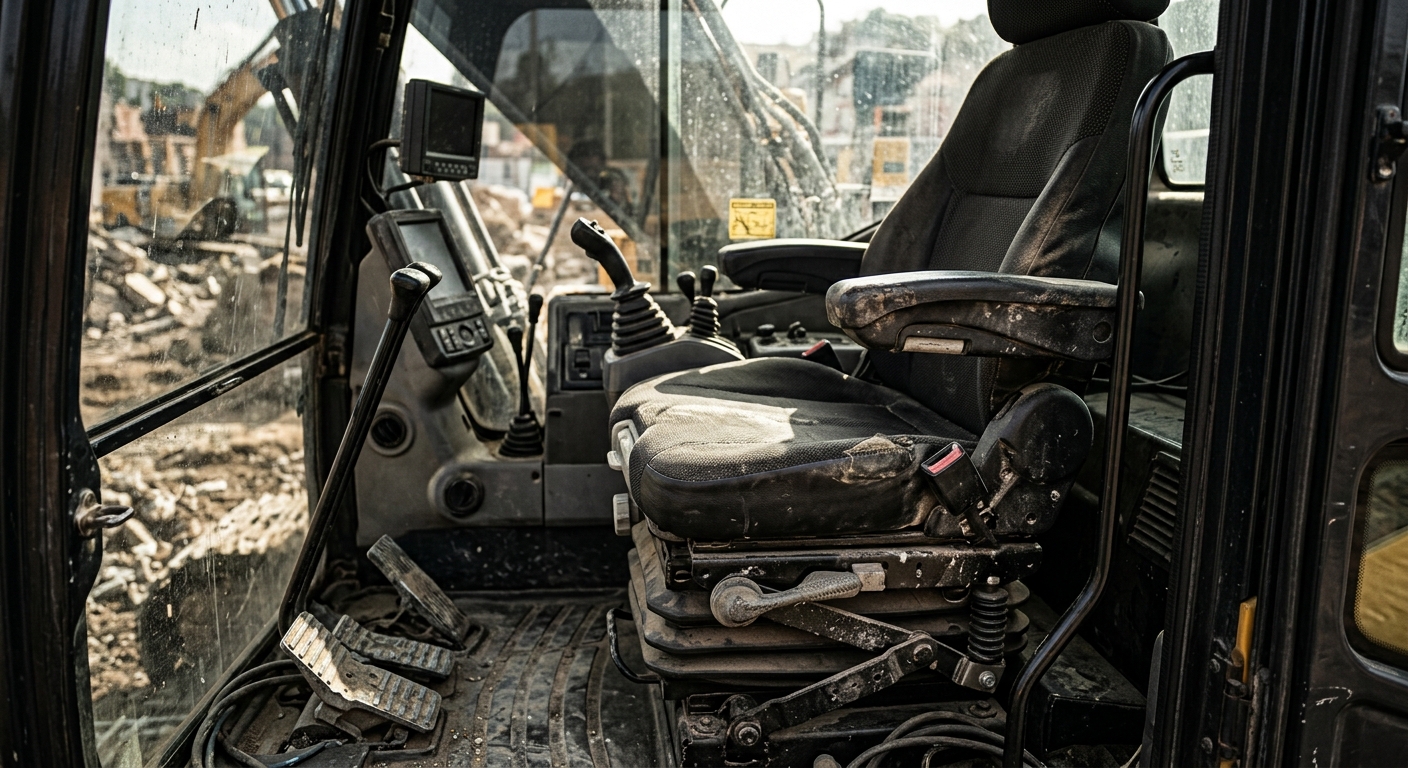
That is a mistake because UV damage compounds across a machine. It fades paint and decals, yes, but it also makes polymer-based materials stiffer and weaker over time. Rubber boots lose flexibility. Wiper blades harden. Seat vinyl dries and splits. Plastic housings become brittle. Cable loom cracks open. Weather seals flatten and stop sealing. Display covers haze up. Adhesives let go. The machine starts looking tired, then starts functioning tired.
The other part people miss is operator impact. A cracked seat, damaged sun visor, weak AC trim panel, or cloudy display does not just look sloppy. It makes the machine less pleasant to run, which affects care, cleanliness, and how quickly operators report small issues. Equipment that feels neglected tends to get treated like it is disposable.
What sunlight damages first on heavy equipment
Not every part suffers equally. The first victims are usually the materials already exposed and already under mild stress.
The common trouble spots are:
- Seat vinyl, armrests, steering grips, and joystick boots
- Cab dash plastics, switch surrounds, and display covers
- Door seals, window seals, rubber boots, and grommets
- Exposed wire loom, zip ties, and plastic clips
- Wiper blades and washer tubing
- Paint on roofs, hoods, handrails, and engine covers
- Safety decals, warning labels, and reflective markings
- Light lenses, beacon housings, mirrors, and camera covers
- Tonneau-style covers, rubber mats, and tool-storage lids
The pattern is predictable. First comes fading and chalking. Then comes stiffness. Then cracking. Then pieces stop sealing, flexing, or staying attached the way they should.
That matters because secondary failures follow quickly. A dried weather seal lets more dust into the cab. A cracked loom lets moisture and abrasion reach wiring. A brittle wiper becomes useless in the first bad storm. A failed joystick boot invites contamination into controls. A destroyed decal set becomes a safety and compliance issue instead of just an ugly one.
- Cab interiors and operator touch points
- Rubber seals, boots, and exposed soft materials
- Decals, labels, and visible safety markings
- Resale appearance and buyer confidence
- Brittle trim and cracked seats
- Failed seals, cloudy lenses, and damaged looms
- More dust, moisture, and heat inside the cab
- A fleet that looks older and rougher than it should
Which fleets are at the highest risk
Some machines get punished harder than others.
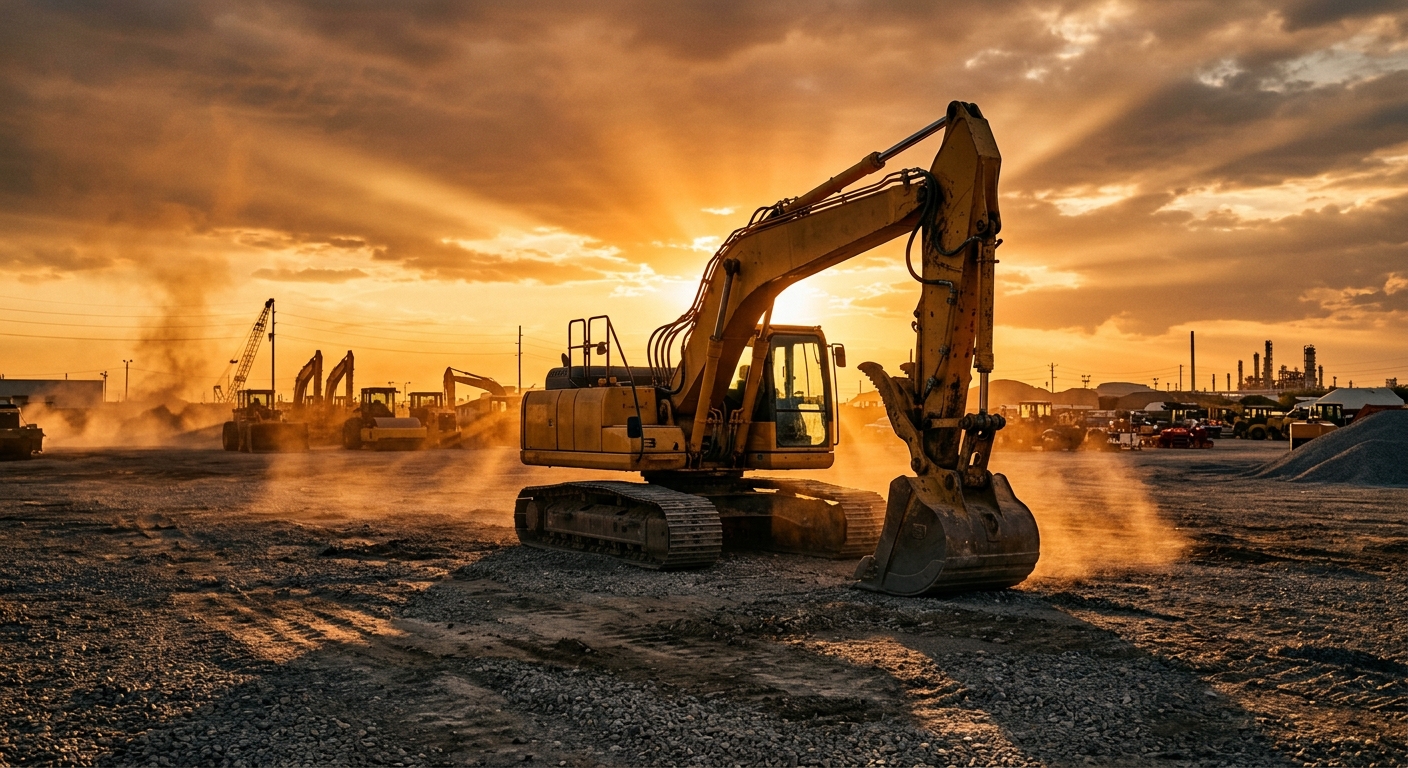
If your fleet operates in the South, Southwest, high-elevation environments, open aggregate yards, treeless development sites, agricultural properties, roadside work zones, or long-term laydown yards, UV damage will move faster. So will machines that sit still for long stretches between jobs. A machine working daily and stored under partial cover may actually age better than one parked motionless in full sun for three months.
Transport matters too. Machines hauled regularly on open trailers spend extra time exposed at highway speeds, with constant sun, wind, and road grime working the same surfaces.
Older machines also deserve extra attention because aged rubber and plastic are already halfway to brittle before UV finishes the job.
How to build a practical UV prevention plan
The answer is not “store every machine indoors forever.” Nice fantasy. Not real life.
A practical UV prevention plan is just a handful of consistent habits:
- Park smarter.
- Clean surfaces before they cook.
- Protect vulnerable materials.
- Inspect soft parts before they fail.
- Replace cheap sacrificial items early.
Start with parking. If a machine can be staged beside a building, under a canopy, on the north side of a shop, or anywhere that cuts direct afternoon sun, that matters. Even partial shade reduces interior heat load and slows damage to the most exposed surfaces.
Next, stop leaving grime to bake onto the machine. Dust, fertilizer, oils, sap, bird droppings, and concrete residue do not become friendlier under UV. They get harder, uglier, and more likely to stain or break down finishes. Clean machines last better because protective materials and coatings are not fighting contamination at the same time.
Then focus on soft materials. Rubber conditioner, vinyl protectant, and approved plastic-safe protectants are not miracle products, but they can help when used correctly on the right surfaces. The important part is using products that do not leave slippery residues on operator touch points or damage the material you are trying to preserve.
Finally, be ruthless about cheap consumables. Wiper blades, weather stripping, sun-baked seat covers, faded decals, and cracked loom are all easier to replace before they create a second problem.
Storage, shade, and covers that actually help
This is where people overcomplicate things.
You do not need a delicate spa treatment. You need storage decisions that reduce direct exposure without trapping moisture or creating more hassle than your crew will tolerate.
The best options are:
- Indoor storage for premium or lower-utilization equipment
- Open-sided sheds or lean-tos that cut direct sun
- Shade from buildings where airflow still exists
- Cab covers or windshield shades on machines that sit
- Targeted covers for controls, seats, or attachments when appropriate
What does not work well is half-assed cover use. A torn tarp flapping in the wind can rub paint, trap debris, hold moisture, and generally become its own stupid maintenance problem. If you use covers, use fitted ones or stable shading approaches that do not create abrasion or water pockets.
Orientation can help too. If repeated afternoon sun is what cooks the cab, park so the most vulnerable glass and interior surfaces take less direct exposure. Small choices compound.
A simple inspection checklist for sun-exposed machines
You do not need a separate 40-line form for this. Add a UV check to regular inspections for outside-stored machines.
Look for:
- Cracking, whitening, or stiffness in rubber boots and seals
- Seat splits, dried stitching, or exposed foam
- Brittle wire loom, broken clips, or loose zip ties
- Faded or missing safety decals
- Cloudy lenses, camera covers, or display windows
- Hardened wiper blades or brittle washer tubing
- Paint oxidation on high-exposure panels
- Loose trim, lifting adhesives, or warped plastic panels
If you notice the same machine repeatedly cooking the same parts, that is not bad luck. It is a storage or exposure pattern. Fix the pattern.
When to clean it up, repair it, or replace the part
Some UV damage is reversible enough to stabilize. Some is already done.
Clean and protect surfaces when you are dealing with mild fading, dry-looking plastics, early chalking, or grime that is baking onto good material underneath.
Repair or touch up when paint oxidation is minor, labels are partially failing, or trim pieces are still intact enough to secure properly.
Replace when the part is already brittle, cracked, unsafe, or no longer sealing. That includes split seat cushions, cracked boots, dead wiper blades, legibility-critical decals, and damaged loom protecting live wiring.
This is also where common sense matters. Do not fight to save a ten-dollar part until it creates a three-hundred-dollar issue beside it.
The long-term payoff in uptime and resale
UV prevention is not glamorous, which usually means it is worth doing.
Machines that stay cleaner, better sealed, and less sun-baked are easier to inspect, nicer to operate, and easier to sell. Buyers notice interiors. Operators notice seats, controls, visibility, and heat. Technicians notice when brittle trim and cracked covers turn simple service into annoying plastic archaeology.
You are not trying to preserve a showroom queen. You are trying to slow the kind of aging that makes a useful machine feel beat before its time.
That matters in real money:
- Fewer nuisance replacement parts
- Better operator comfort and pride
- Cleaner cabs and better sealing against dust
- Stronger appearance in photos, listings, and walkarounds
- Higher confidence that the fleet is managed instead of merely endured
The sun is free. The damage is not.
Track storage conditions, inspection notes, recurring replacement parts, and seasonal maintenance tasks in FieldFix so UV damage shows up in your records before it shows up on your repair bill.