Telematics in Fleet Management: The 2026 Complete Guide
Learn how telematics transforms heavy equipment fleet management with GPS tracking, diagnostics, and fuel monitoring. Implementation guide included.
Key Takeaways
- Market growth: Telematics adoption in construction hit 78% in 2026, up from 52% in 2022
- ROI timeline: Most fleets see positive ROI within 6-12 months of implementation
- Cost savings: Average fuel savings of 12-18% through idle time reduction alone
- Maintenance impact: Predictive alerts reduce unexpected breakdowns by 35-45%
- Integration trend: OEM-agnostic platforms now dominate over proprietary systems
If you’re still managing your fleet with spreadsheets and driver check-ins, you’re flying blind in 2026. Telematics has evolved from a “nice-to-have” technology to an operational necessity—and the gap between connected fleets and disconnected ones is widening every month.
This isn’t about fancy dashboards or impressing clients with GPS dots on a map. It’s about knowing exactly where your money goes, predicting problems before they strand equipment in the field, and making decisions based on data instead of gut feelings.
What Is Telematics and Why It Matters Now
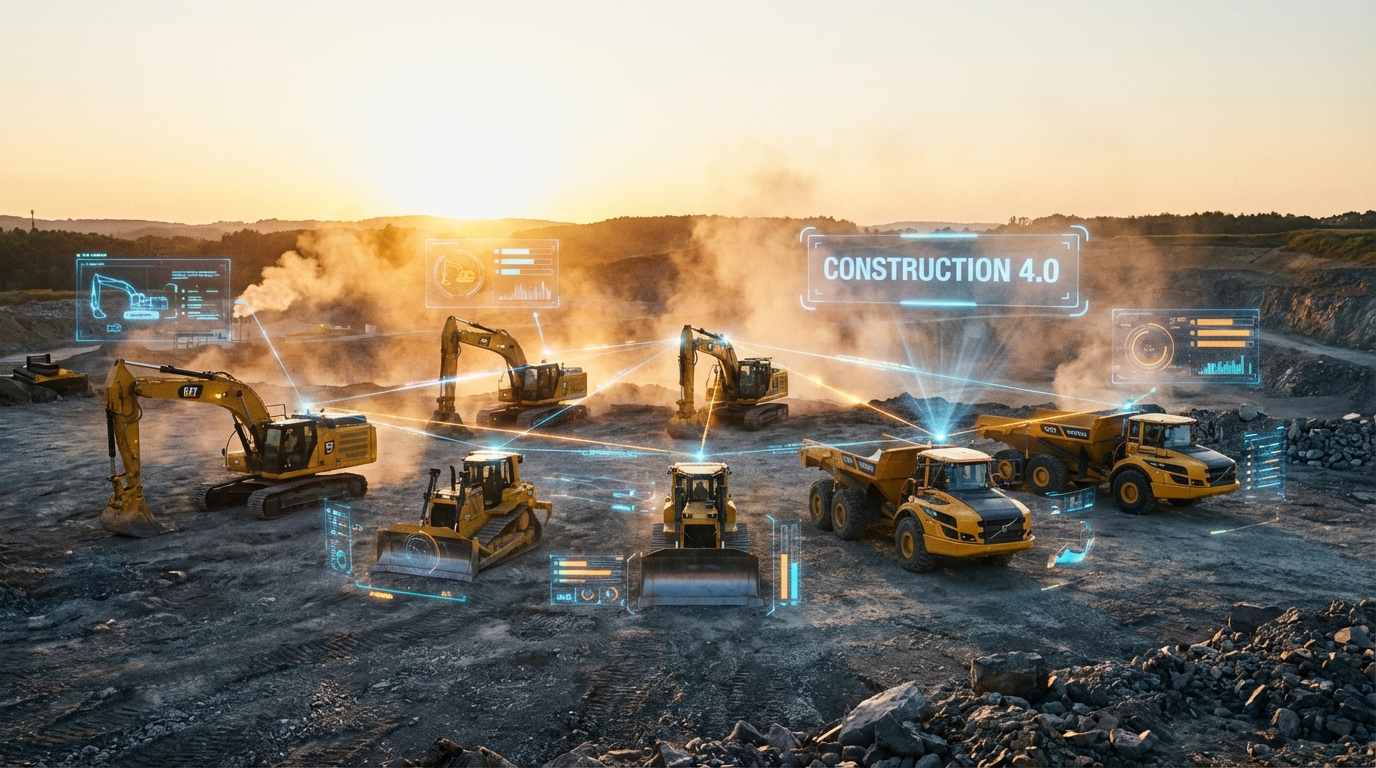
Telematics combines telecommunications and informatics to create real-time visibility into your equipment. At its simplest, it’s a device installed in each machine that collects data and transmits it to a central platform you can access from anywhere.
But that definition undersells what modern telematics actually does. Today’s systems are comprehensive equipment intelligence platforms that track:
- Location and movement in real-time
- Engine performance metrics including fault codes
- Fuel consumption and idle time
- Maintenance intervals and service history
- Operator behavior patterns
- Utilization rates by machine, job site, or time period
Industry Stat: According to the Association of Equipment Manufacturers (AEM), telematics-equipped machines experience 23% less unplanned downtime compared to non-connected equipment. That’s nearly a quarter fewer surprise breakdowns.
The technology has matured dramatically. Five years ago, you’d get basic GPS and maybe engine hours. Now you’re getting predictive maintenance alerts, fuel theft detection, geofencing with automated compliance reporting, and AI-powered anomaly detection.
Why 2026 Is the Tipping Point
Several factors have converged to make this the year telematics becomes non-negotiable:
Cellular coverage expansion: 5G networks now cover most job sites, eliminating the connectivity gaps that plagued earlier systems. Satellite fallback options have also become affordable.
Standardization: The ISO 15143-3 (AEMP 2.0) standard means different OEM systems can finally talk to each other. You’re no longer locked into one brand’s ecosystem.
Cost reduction: Hardware that cost $1,500 per unit five years ago now runs $200-400. Monthly data fees have dropped 60%.
Insurance requirements: Major commercial equipment insurers now offer 15-25% premium discounts for telematics-enabled fleets. Some are starting to require it.
Core Telematics Features for Heavy Equipment
Not all telematics platforms are created equal. Here’s what actually matters for heavy equipment fleets:
GPS Tracking and Geofencing
Real-time location isn’t just for recovery if something gets stolen (though that matters—$300 million in equipment gets stolen annually in the US alone). It’s about:
- Job costing accuracy: Know exactly how long equipment was on which site
- Logistics optimization: Reduce transport costs by staging equipment efficiently
- Compliance documentation: Prove where equipment was for contract disputes or regulatory audits
- Unauthorized movement alerts: Get notified if equipment moves outside designated areas or hours
Engine Diagnostics and Fault Code Monitoring
Modern heavy equipment generates hundreds of data points every second. Telematics systems capture and interpret this data to:
- Surface active fault codes before operators notice problems
- Track performance trends that indicate developing issues
- Document warranty claims with timestamped evidence
- Optimize service intervals based on actual usage, not calendar time
Common Pitfall: Many fleet managers only check fault codes when something breaks. The real value is in pattern recognition—catching the slow degradation that leads to catastrophic failures.
Fuel Management
Fuel typically represents 30-40% of operating costs for heavy equipment. Telematics addresses this through:
- Consumption monitoring: Track gallons per hour by machine, operator, and task type
- Idle time reporting: The average equipment fleet idles 40-50% of “running” time
- Theft detection: Sudden fuel level drops trigger immediate alerts
- Efficiency benchmarking: Compare operators and identify training opportunities
Utilization Analysis
Are your machines actually working? Utilization tracking reveals:
- True productive hours vs. idle time vs. travel time
- Under-utilized assets that could be sold or redeployed
- Over-utilized machines at risk of accelerated wear
- Seasonal patterns for better capital planning
The Data Revolution: What Modern Systems Track
The depth of available data has exploded. Here’s what’s now standard:
Machine Health Metrics
| Data Point | What It Tells You | Action Threshold |
|---|---|---|
| Engine oil pressure | Lubrication system health | Below 10 PSI at idle |
| Coolant temperature | Cooling system performance | Above 220°F sustained |
| Hydraulic fluid temp | System efficiency/contamination | Above 180°F |
| DEF consumption rate | Emissions system function | Outside 2-4% of fuel use |
| Battery voltage | Electrical system health | Below 12.4V when off |
| DPF soot load | Regen timing needs | Above 80% capacity |
Operational Data
Beyond machine health, you’re capturing:
- Cycle times for repetitive operations
- Load counts for haulers and loaders
- Attachment usage tracking
- Grade and slope data for earthmoving
- Lift capacity utilization for cranes and telehandlers
Real-World Example: The Hidden Idle Problem
A 12-machine excavation fleet implemented telematics and discovered they were averaging 47% idle time during “working” hours. The culprit? Operators were leaving machines running during breaks, lunch, and while waiting for trucks.
The fix: Automatic idle shutdown after 5 minutes, operator scorecards, and a small fuel efficiency bonus.
The result: Idle time dropped to 18%, saving $4,200/month in fuel across the fleet.
Implementation: Getting Started Right
Successful telematics implementation follows a consistent pattern. Here’s the roadmap:
Phase 1: Assessment and Planning (2-4 weeks)
Before buying anything:
- Inventory your fleet: Document every machine, its age, existing OEM telematics, and current tracking method
- Define your goals: What specific problems are you solving? Theft? Fuel costs? Maintenance? All three?
- Assess connectivity: Survey your typical job sites for cellular coverage
- Calculate baseline metrics: You can’t improve what you don’t measure. Document current fuel costs, downtime hours, and utilization estimates
Phase 2: Platform Selection (2-4 weeks)
The platform matters more than the hardware. Evaluate:
- OEM integration: Can it pull data from your existing factory telematics?
- API availability: Will it connect to your accounting and maintenance software?
- Mobile functionality: Field access is essential
- Scalability: What happens when you add 10 more machines?
- Support quality: Call their support line before signing. How long do you wait?
Pro Tip: Request a pilot program. Most vendors will install on 3-5 machines for 60-90 days at reduced cost. Use this to evaluate real-world performance before full commitment.
Phase 3: Hardware Installation (1-2 weeks per 10 machines)
Installation considerations:
- J1939 vs. standalone: J1939 port connections give you full engine data but may void warranties on newer equipment. Standalone GPS/cellular units are simpler but provide less diagnostic depth
- Power source: Hardwired is more reliable; battery backup essential for recovery if machine is powered off
- Tamper resistance: Install in locations that aren’t obvious to thieves
Phase 4: Training and Adoption (Ongoing)
The technology is only valuable if people use it:
- Operator buy-in: Explain how telematics helps them (better-maintained equipment, clear communication) rather than just monitoring them
- Manager training: Daily dashboard reviews should become routine
- Process integration: Tie telematics data to existing workflows (work orders, invoicing, scheduling)
Common Mistakes and How to Avoid Them
We’ve seen these failures repeatedly:
Mistake #1: Installing and Ignoring
The problem: Fleet buys telematics, installs it, then nobody looks at the data. Six months later, they cancel because “it didn’t help.”
The fix: Designate one person responsible for daily data review. Start with just three metrics: location, fuel consumption, and fault codes. Build from there.
Mistake #2: Alert Fatigue
The problem: System generates 200 alerts per day. Everything becomes noise. Critical warnings get ignored.
The fix: Aggressively tune alert thresholds during the first 30 days. Only surface alerts that require action. Use tiered urgency levels.
Mistake #3: Treating It as a Surveillance Tool
The problem: Operators view telematics as “big brother” monitoring. They resist, disable devices, or work around the system.
The fix: Involve operators in implementation. Share data transparently. Use metrics for coaching, not punishment (at least initially). Celebrate efficiency wins publicly.
Warning Sign: If operators are “forgetting” to log in, equipment mysteriously loses connectivity, or you’re seeing manual overrides—you have a culture problem, not a technology problem.
Mistake #4: Ignoring Data Quality
The problem: Telematics data is only useful if it’s accurate. Misconfigured fuel sensors, wrong machine profiles, and connectivity gaps create misleading reports.
The fix: Validate data against known benchmarks during the first month. Cross-check fuel reports against actual purchase records. Verify location accuracy with physical spot-checks.
Cost Analysis: Investment vs. Returns
Let’s get specific about the money:
Typical Costs (2026)
For a 10-machine fleet:
- Year 1 cost: $5,000-10,000 hardware/install + $1,800-5,400 service = $6,800-15,400
- Ongoing annual: $1,800-5,400/year
Typical Savings
Based on industry benchmarks and FieldFix user data:
| Savings Category | Conservative | Typical | Aggressive |
|---|---|---|---|
| Fuel reduction (idle time) | 8% | 15% | 22% |
| Maintenance cost reduction | 10% | 18% | 25% |
| Theft/recovery savings | $0 | $2,000 | $15,000+ |
| Utilization improvement | 5% | 12% | 20% |
| Insurance reduction | 10% | 18% | 25% |
For a fleet with $500K annual operating costs, even conservative savings (8% fuel + 10% maintenance) yields $50K+ in savings—far exceeding the $7-15K system cost.
ROI Case Study: Regional Excavation Company
Fleet: 18 machines (excavators, dozers, loaders)
Annual fuel spend before: $187,000
Annual maintenance before: $94,000
Telematics investment: $14,200 Year 1, $4,800 ongoing
After 12 months:
- Fuel spend: $158,000 (15.5% reduction)
- Maintenance spend: $78,000 (17% reduction)
- One theft recovered: $85,000 machine (would have been total loss)
- Total savings: $130,000
- ROI: 815%
2026 Industry Trends
The telematics landscape is evolving rapidly. Here’s what’s shaping the market:
Trend 1: OEM-Agnostic Platforms Winning
The days of being locked into one manufacturer’s ecosystem are ending. Fleet managers demand single-pane visibility across mixed fleets. Platforms that aggregate data from Caterpillar, John Deere, Komatsu, and others through a unified interface are gaining market share.
Trend 2: AI-Powered Predictive Maintenance
Machine learning models trained on millions of equipment hours can now predict failures 2-4 weeks before they occur. This isn’t science fiction—it’s production technology. Expect predictive accuracy to improve another 20-30% by 2027 as training datasets grow.
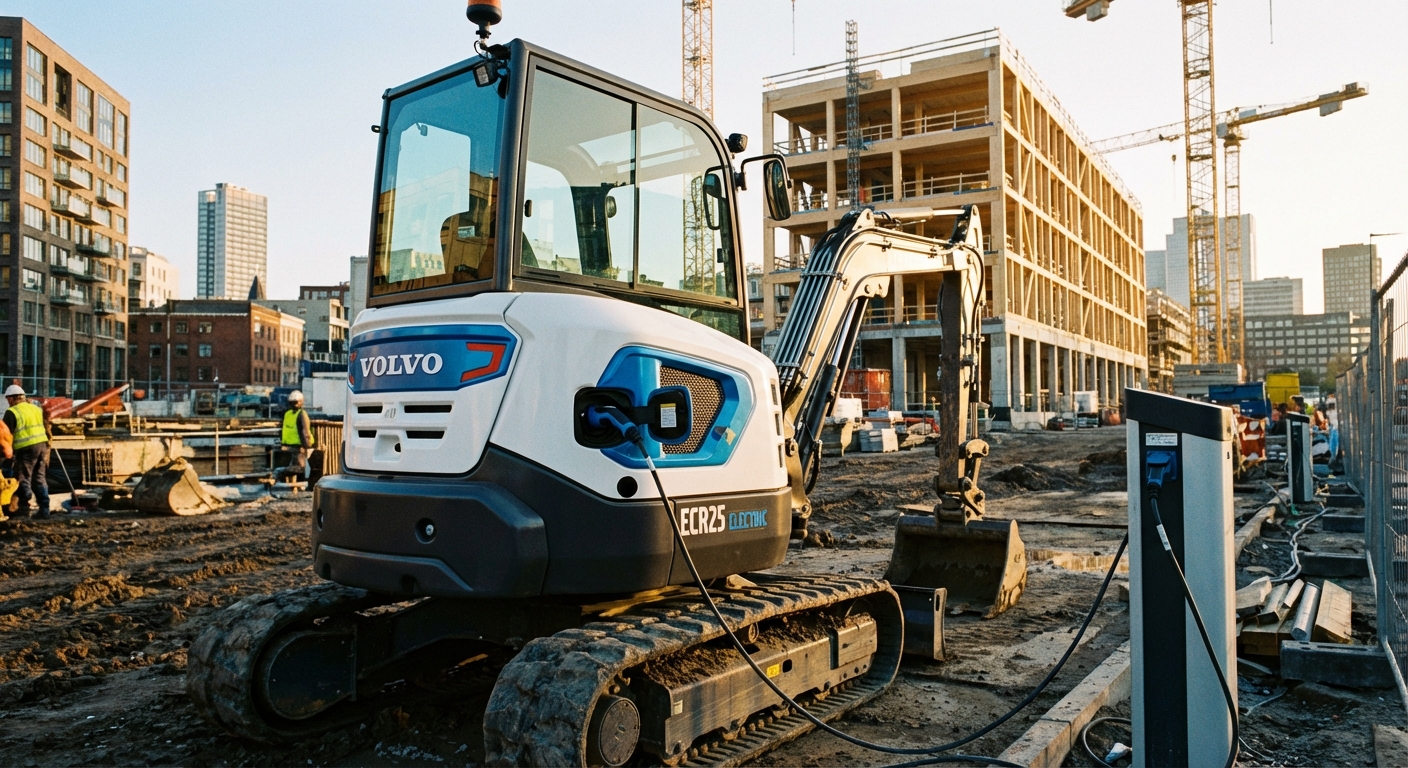
Trend 3: Electric Equipment Integration
As battery-electric equipment enters fleets (compact equipment first, larger machines following), telematics systems are adapting to track:
- State of charge and range estimation
- Charging patterns and infrastructure needs
- Battery health degradation over time
- Total cost comparison vs. diesel equivalents
Trend 4: Integration with Business Systems
Standalone telematics is giving way to connected ecosystems. Leading platforms now integrate with:
- Accounting software for automated job costing
- Maintenance management for work order generation
- HR systems for operator certification tracking
- Project management for resource planning
Trend 5: Regulatory Compliance Automation
With EPA Tier 5 approaching in 2027 and CARB regulations tightening, telematics is becoming essential for:
- Emissions compliance documentation
- Hour-based reporting requirements
- Idle time restrictions in certain jurisdictions
- Environmental audit trails
Choosing the Right Platform
Not every platform fits every fleet. Here’s how to match:
Enterprise Platforms (John Deere JDLink, Cat Product Link, Komatsu KOMTRAX)
Pros:
- Deep integration with OEM machines
- Warranty-safe
- Rich diagnostic data on same-brand equipment
Cons:
- Limited visibility on mixed fleets
- Vendor lock-in
- Often expensive for smaller operations
Best for: Large fleets predominantly one brand
Independent Platforms (Samsara, Geotab, CalAmp)
Pros:
- Works across all brands
- Competitive pricing
- Strong third-party integrations
Cons:
- Less diagnostic depth than OEM systems
- Requires separate hardware installation
- Variable support quality
Best for: Mixed fleets, cost-conscious operators
Specialized Heavy Equipment Platforms (HCSS, Tenna, FieldFix)
Pros:
- Purpose-built for construction/heavy equipment
- Industry-specific features
- Often includes maintenance management
Cons:
- Smaller vendor risk
- May lack consumer-grade polish
- Narrower integration ecosystem
Best for: Fleets wanting equipment-specific features vs. generic vehicle tracking
The Future of Connected Equipment
Looking ahead 3-5 years:
Autonomous operation support: Telematics infrastructure is the foundation for semi-autonomous and autonomous equipment. Even manual machines will benefit from the sensor networks being deployed.
Digital twins: Real-time telematics data feeds virtual models of equipment that can simulate performance, predict maintenance, and optimize operations before changes happen in the real world.
Blockchain-verified records: Equipment history verified by immutable records will become standard for resale, improving used equipment valuations and buyer confidence.
Insurance telematics integration: Pay-per-hour or performance-based insurance will become common, with premiums directly tied to telematics data.
Looking Ahead: By 2030, unconnected heavy equipment will be nearly as rare as construction companies without email. The question isn’t whether to adopt telematics—it’s how fast you can implement it effectively.
Getting Started Today
If you’re running equipment without telematics visibility, you’re already behind. The good news: catching up has never been easier or more affordable.
Start small if needed. Even basic GPS tracking with fuel monitoring delivers measurable ROI within months. Build from there as you get comfortable with the data and identify additional needs.
The fleets that master their data will outcompete those flying blind. That’s not a prediction—it’s already happening.
Track Every Machine, Every Hour
FieldFix gives you complete fleet visibility without the complexity. GPS tracking, maintenance logs, cost-per-hour calculations, and AI diagnostics—all in one platform built specifically for heavy equipment.
Start free with up to 3 machines. No credit card required.