Heavy Equipment Desiccant Breather Maintenance Guide
Learn how desiccant breathers protect heavy equipment from moisture and dirt, what warning signs to watch for, and how to build a simple service routine.
Some of the most expensive failures in heavy equipment start with something stupidly small. Not dramatic. Not obvious. Just moisture and dirt sneaking into a system one breath at a time.
That is the whole job of a desiccant breather: control what enters a tank, gearbox, or reservoir when pressure changes force air in and out. It is not a glamorous part. No operator walks onto a jobsite bragging about reservoir breathers. But if you care about hydraulic system life, oil cleanliness, bearing wear, rust prevention, and reducing surprise downtime, these little canisters matter more than most fleets realize.
Too many shops focus only on what is happening inside the machine: oil changes, filter swaps, sample reports, drain intervals. Fair enough. But if the system is inhaling humidity, dust, and airborne junk every time it heats up and cools down, you are fighting contamination with one hand tied behind your back.
This guide breaks down what desiccant breathers do, where they belong, how to inspect them, and why they should have a real spot in your maintenance process instead of living in the category of “tiny stuff we deal with later.”
quietly shorten oil life, accelerate wear, and promote corrosion.
can compromise an otherwise well-maintained reservoir or gearbox.
beats the cost of contaminated oil, damaged pumps, or rusted internals.
What desiccant breathers actually do
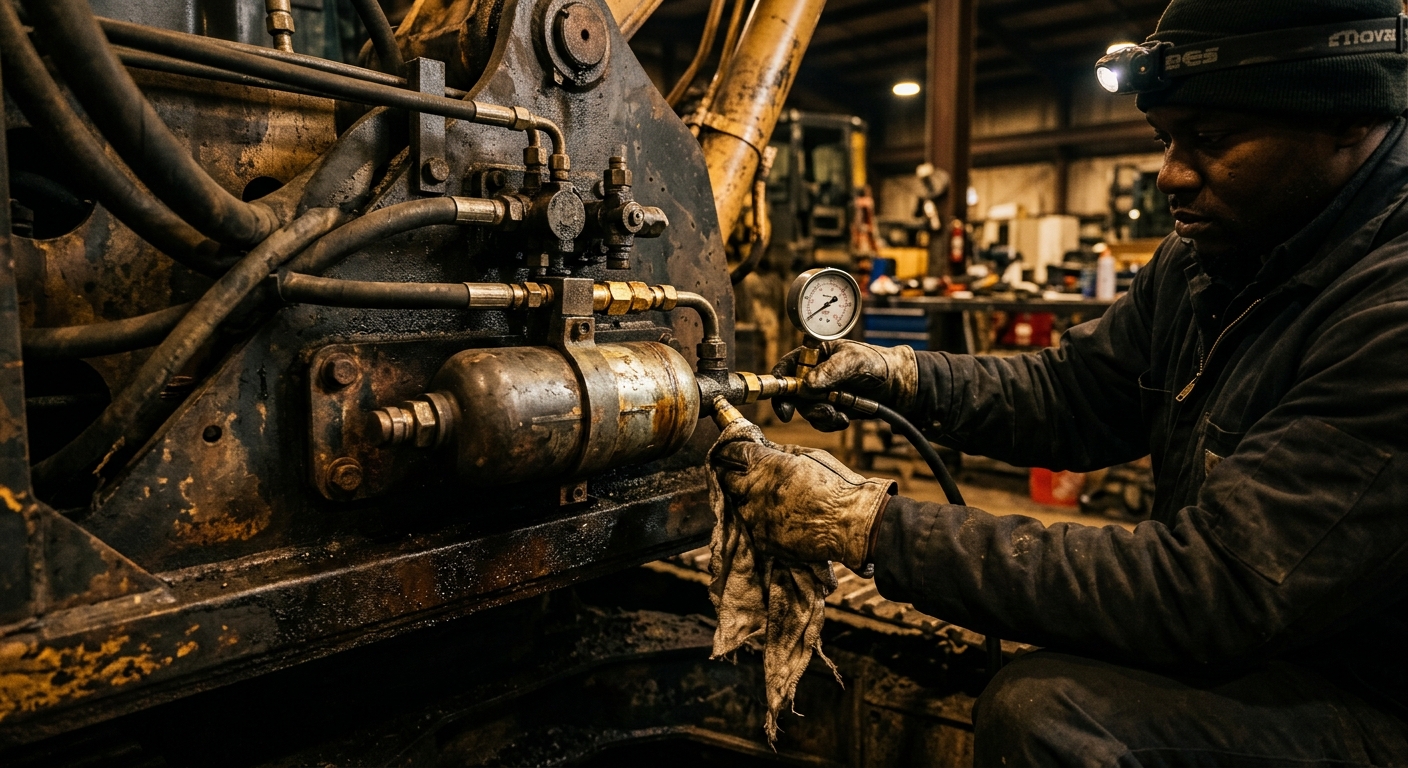
Every sealed system is not really sealed. Hydraulic reservoirs, storage tanks, axles, and gear cases all expand and contract with temperature swings, machine operation, and fluid movement. That means they breathe. Warm fluid expands and pushes air out. Cooling fluid pulls air back in.
If that incoming air is wet, dirty, or both, contamination enters the system without asking permission.
Desiccant breathers solve that by doing two jobs at once:
- Filtering airborne particles before they enter the system
- Pulling moisture out of incoming air before it reaches the fluid space
Most units use a particulate filter plus a moisture-absorbing desiccant media that changes color as it becomes saturated. That color change is useful because it gives crews a fast visual signal instead of guessing whether the breather still has life left.
This matters most where equipment sees:
- High humidity
- Frequent temperature swings
- Dusty or muddy jobsites
- Long idle periods
- Outdoor storage
- Repeated washdowns
Why moisture and dirt get expensive fast
Moisture contamination is sneaky because the machine may still run fine while the damage begins. Water in oil can reduce lubrication quality, trigger additive breakdown, increase oxidation, encourage rust, and create sludge or varnish. Dirt does the usual dirty work too: abrasion, sticking valves, scored surfaces, worn pump components, and shortened filter life.
In practical terms, that means a contaminated system can lead to:
- Shorter oil drain intervals
- More frequent filter changes
- Premature pump and valve wear
- Corrosion inside tanks, housings, and bearings
- False confidence because the machine “still works”
The ugly part is that contamination problems compound. Once moisture and fine particulate are in the system, the fluid becomes less effective, wear metals increase, and cleanup gets harder. A cheap breather then starts looking like the most underpaid component on the machine.
- Humidity enters every heat and cool cycle
- Dust loads up the reservoir over time
- Oil analysis trends get worse
- Filters work harder and plug sooner
- Rust and sludge show up where they should not
- Cleaner incoming air
- Lower moisture exposure
- More stable oil condition
- Better protection during storage and seasonal downtime
- Fewer contamination-driven surprises
There is no magic number that says, “This one bad breather cost you exactly this much.” Real life is messier than that. But fleets that care about contamination control almost always outperform fleets that treat reservoir breathing like an afterthought.
Where breathers matter most on heavy equipment
Not every system needs the same setup, but desiccant breathers make the biggest difference anywhere temperature changes and dirty environments combine.
Common applications include:
- Hydraulic reservoirs on excavators, loaders, mulchers, and support equipment
- Gearboxes and enclosed drive systems
- Bulk oil storage tanks and waste oil tanks
- Transfer containers, service carts, and portable fluid systems
- Seasonal storage setups where equipment sits outdoors
If you maintain fluid in the shop but then store it in half-controlled conditions, that is another place to think harder about breathers. Clean fluid in a dirty container is no longer clean fluid. Same story on field service trucks.
A contractor keeps a compact loader and a mulcher parked outside through spring humidity swings. Oil samples start showing moisture and elevated contamination even though service intervals are on time. The issue is not the oil brand or the filters. It is a neglected breather on the hydraulic reservoir plus outdoor storage conditions. Replacing the breather and tightening storage discipline stabilizes the trend on the next sampling cycle.
Signs your breathers need attention
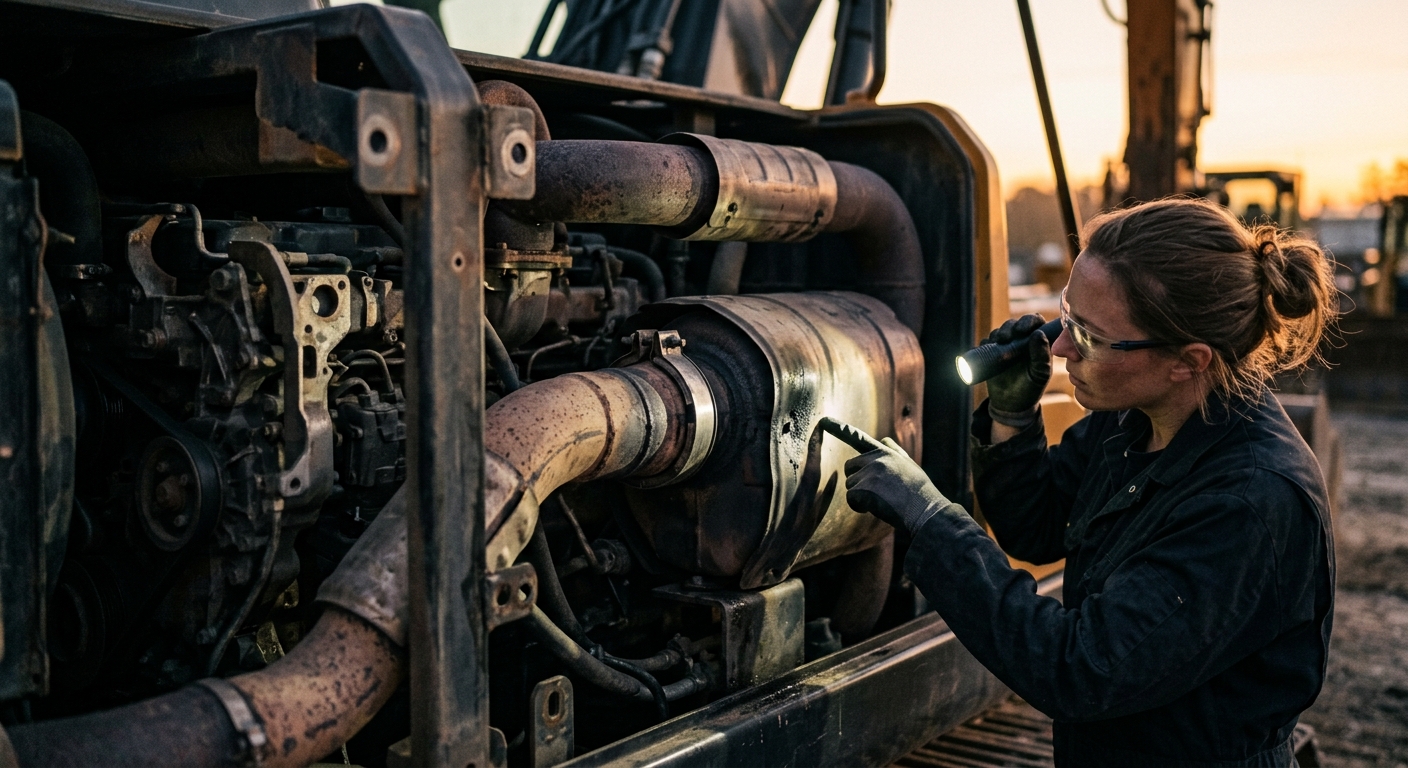
You do not need to overengineer this. Most failing or saturated breathers give obvious clues if someone is actually looking.
Watch for:
- Desiccant color change showing saturation
- Dirt-loaded outer media or blocked airflow
- Cracked housings or damaged seals
- Missing caps, loose fittings, or improvised replacements
- Rust, sludge, or unusual condensation around the vented system
- Oil analysis showing rising moisture or particulate without another clear cause
One classic mistake is assuming the breather looks “mostly okay” because the machine is still operating. That is the wrong standard. Breathers are protective components, not emergency shutdown parts. By the time a system forces you to pay attention, the easy fix window may already be gone.
usually means the desiccant has done its job and now needs replacement.
can stress the system and reduce the breather's protective value.
is a clue to inspect breathers before blaming everything else.
Inspection and replacement routine
The best breather routine is simple enough that it actually gets done.
Start with a visual check during regular PMs:
- Confirm the breather is the correct type for the application
- Inspect the housing for cracks, damage, or missing seals
- Check the desiccant color window if the model has one
- Look for dirt loading or obvious blockage
- Inspect the mounting location for splash, mud packing, or washdown abuse
- Review oil analysis trends if the asset is sampled
Replacement intervals should follow the manufacturer guidance, but real-world conditions matter. A machine living in a climate-controlled shop is not the same as one parked outdoors in humid weather with daily dust exposure. Severe conditions burn through breather life faster.
Good rules of thumb:
- Replace when saturation indicators say the media is spent
- Replace sooner in high-humidity or severe-dust work
- Replace immediately if the housing is cracked or compromised
- Recheck after flooding, aggressive washdowns, or long outdoor storage
Also, do not ignore the surrounding hardware. A premium breather on a loose adapter, damaged gasket, or poorly routed vent point is still a half-baked solution.
Common breather mistakes fleets make
This is where the dumb money leaks out.
First mistake: crews replace filters religiously but never inspect the breather. That is like locking the front door and leaving the back door wide open.
Second mistake: shops install a desiccant breather once and treat it like a lifetime part. It is not. It is consumable protection.
Third mistake: mounting breathers in exposed positions where they get hammered by direct wash spray, caked in mud, or damaged during service. If the breather lives in a miserable location, expect miserable life.
Fourth mistake: mixing clean-fluid goals with dirty handling practices. You cannot obsess over contamination counts and then leave transfer containers, fill ports, or breathers exposed like no one gives a damn.
A fleet spends real money on oil sampling and premium hydraulic fluid, then discovers a machine has been running with a damaged breather cap packed with dust for weeks. The lab report was not "wrong." The process around the machine was.
How to build a simple breather program
This does not need to become a giant corporate procedure manual. Keep it practical.
Build your breather program around five things:
- Identify which assets and storage systems actually need desiccant breathers
- Standardize approved part numbers by asset class
- Add breather inspection to PM checklists and seasonal inspections
- Tie replacement timing to visual saturation plus operating conditions
- Log replacements so repeat failures or harsh environments are visible
If you use FieldFix or any maintenance tracking platform, this is the kind of task worth standardizing. Attach the approved breather spec to the asset, add a recurring inspection item, and note replacement dates alongside contamination findings or oil sample results. That turns a “small part” into traceable maintenance data instead of tribal knowledge.
The point is not to create busywork. The point is to stop losing fluid life and component life to contamination you could have blocked at the entry point.
Breathers are boring. Good. Boring maintenance is where the money is.
FieldFix helps contractors track PM tasks, document component replacements, attach photos, and keep maintenance standards consistent across the whole fleet. If your process still lives in memory and sticky notes, that is the real leak to fix first.