Heavy Equipment Shift Handoff Checklist: Stop Small Problems From Becoming Big Breakdowns
Use this heavy equipment shift handoff checklist to catch issues early, reduce downtime, and keep operators, mechanics, and managers on the same page.
Heavy Equipment Shift Handoff Checklist
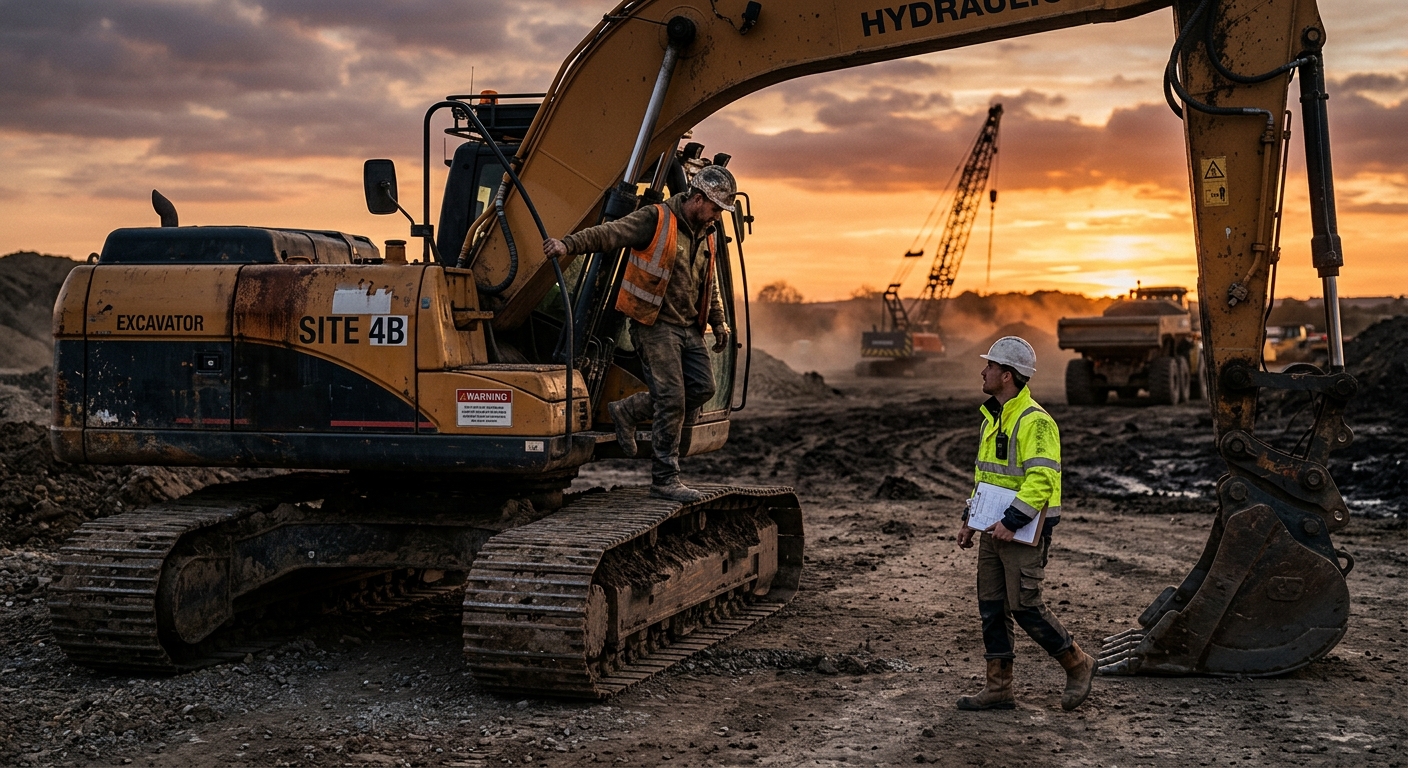
When one operator steps out and another steps in, that transition can either protect your fleet or quietly destroy it.
Most contractors focus on the obvious parts of maintenance: filters, grease intervals, fluid changes, inspections, and repairs. All of that matters. But plenty of avoidable failures happen because nobody passed along what they noticed during the last shift. The machine had a hot smell. The left track was loading with mud. The hydraulic thumb hesitated twice. The backup camera flickered. The operator meant to mention it, then the day got busy, and now the next shift is starting blind.
That is exactly how little issues become major bills.
A strong shift handoff system is one of the cheapest ways to reduce downtime. It does not require a full shop overhaul. It requires a repeatable checklist, clear expectations, and one place to log what happened.
Why shift handoffs matter
Heavy equipment lives hard lives. Machines run in dust, mud, vibration, heat, cold, and abuse. In those conditions, small changes matter. Operators are your first line of defense because they see the machine under load, not just parked in the yard.
A proper handoff does four things at once:
- It gives the next operator a real condition update.
- It gives the shop an early warning system.
- It gives managers accountability and usable records.
- It reduces the odds of duplicate damage, unsafe operation, and unplanned downtime.
can turn a minor defect into a major repair when the next operator keeps running the machine.
is usually enough for a solid handoff if the checklist is standardized.
creates another maintenance data point that helps spot patterns before failure.
The handoff matters even more when you have:
- multiple operators sharing one machine
- long workdays with day and night crews
- rented or borrowed equipment
- remote jobsites with no on-site mechanic
- seasonal operators with mixed experience levels
If you are trying to scale a fleet, shift handoffs are not optional admin work. They are operating discipline.
What a good handoff includes
A good handoff is short, specific, and useful. It is not a vague “machine ran fine.” That tells the next person almost nothing.
The best handoffs cover five areas:
1. Machine condition
What did the operator see, hear, smell, or feel during the shift? This includes vibration, abnormal noise, hesitation, leaks, smoke, warning lights, and attachment performance.
2. Damage or wear
Any new crack, bent guard, loose fastener, damaged hose cover, worn cutting edge, torn seat, broken lens, or missing pin should be logged.
3. Fluid and fuel status
Was fuel topped off? Any noticeable consumption change? Any low fluid warning? Any contamination concern?
4. Hours and work completed
How many hours were added, and what kind of work did the machine do? Idle-heavy trenching work is different from high-load mulching or constant travel.
5. Safety concerns
Anything affecting safe operation should be called out immediately, not buried in notes. Brakes, steering response, camera issues, alarm failures, and visibility problems belong at the top.
The complete shift handoff checklist
Use the checklist below at the end of every shift and again at startup when a new operator takes over.
Operator handoff checklist
A. Basic shift information
- Machine ID or unit number
- Operator name
- Date and shift time
- Hour meter reading
- Jobsite or project name
- Main attachment used during shift
B. Machine performance notes
- Did the machine start normally?
- Any warning lights or fault messages during the shift?
- Any unusual smoke, smell, or heat?
- Any loss of power, slow response, or jerky operation?
- Any abnormal vibration, squealing, knocking, or grinding?
- Did travel speed, steering, braking, or swing feel normal?
C. Visible condition check
- New leaks under machine or around major components
- Damaged hoses, clamps, guards, or fittings
- Loose pins, couplers, or attachment connections
- Excessive wear on edges, teeth, tracks, or tires
- Cracks in welds, steps, handrails, or mounting points
- Dirty camera lenses, lights, windows, or mirrors affecting visibility
D. Fluids and consumables
- Fuel level at shutdown
- DEF or other exhaust-fluid status if applicable
- Coolant, engine oil, and hydraulic level alerts
- Air filter restriction indicator if equipped
- Greasing completed or not completed
- Any sign of contamination, foaming, or unusual consumption
E. Job impact notes
- Machine bogged down in certain material
- Frequent idle time due to workflow bottlenecks
- Attachment underperforming for task
- Ground conditions causing unusual stress or buildup
- Operator workarounds needed to finish task
F. Safety and next-shift alerts
- Any issue that makes the machine unsafe to run
- Lockout/tagout needed before next shift
- Follow-up inspection required by mechanic
- Parts needed or repair request submitted
- Special startup note for next operator
What the next operator should do at takeover
The next operator should not treat the handoff as paperwork to ignore. They should:
- read the previous shift notes before startup
- verify any flagged issue visually
- confirm fuel and hour status
- test the reported concern early in the shift
- add their own notes if the issue continues, worsens, or disappears
That last point matters. Trend data is gold. If three operators note that the same lift function feels weak only when hot, you are no longer guessing.
Common handoff mistakes
Most bad handoff systems fail in predictable ways.
- Short required fields
- Unit-specific logs
- Clear red-flag escalation rules
- Photos for damage or leaks
- Manager review for repeat issues
- Freeform notes with no structure
- Verbal-only updates
- One sheet for the whole fleet
- No distinction between minor and critical issues
- No follow-up from the shop or supervisor
Here are the biggest mistakes to avoid:
Mistake 1: Logging nothing unless the machine breaks
This is reactive maintenance dressed up as toughness. It is not toughness. It is laziness.
Mistake 2: Making the checklist too long
If the handoff takes 20 minutes, people will skip it or fake it. Keep it lean and focused.
Mistake 3: Not training operators what “reportable” means
Operators need examples. A soft brake pedal, a delayed throttle response, or one recurring fault light are all reportable even if the machine keeps working.
Mistake 4: No ownership after the handoff
If notes disappear into a clipboard nobody reviews, the system dies. Someone has to own follow-up.
Mistake 5: Treating repeat complaints as operator preference
When several operators describe the same issue in different words, believe the pattern.
Paper vs digital handoffs
Paper checklists are better than nothing, but they break down fast in real fleet conditions. Sheets get wet, lost, skipped, or stuffed in a truck for three weeks. They are also terrible for trend spotting.
Digital handoffs are better because they make machine history searchable and consistent. Instead of asking around the yard whether anyone remembers when the right travel motor started acting up, you can check the log.
Why digital usually wins
- Notes stay attached to the right machine
- Photos can be added on the spot
- Managers can review multiple units quickly
- Repeat issues become obvious
- Service requests are easier to trigger and track
- Shift data supports better maintenance planning
How FieldFix helps
A handoff checklist works best when it is part of the same system you use for maintenance logs, service history, and machine tracking.
FieldFix helps crews turn shift notes into usable fleet data by giving each machine a clean record of:
- operator notes
- hour updates
- maintenance history
- photos of issues or damage
- service actions taken
- recurring problem patterns over time
That matters because equipment reliability is rarely about one big genius decision. It is usually about stacking small disciplined habits that prevent stupid failures.
Shift handoffs are one of those habits.
If you want fewer surprises, better maintenance timing, and less “nobody told me” drama, standardize your handoff process now. Five minutes at the end of a shift can save you five days of downtime later.
Use FieldFix to log operator notes, track hours, document issues with photos, and keep every machine’s maintenance story in one place.
Related Articles
September 4, 2026
Heavy Equipment Fall Service Planning Guide: How to Prevent Winter Downtime
September 3, 2026
Horizontal Directional Drill Maintenance: The Complete HDD Service Guide for Contractors
September 2, 2026